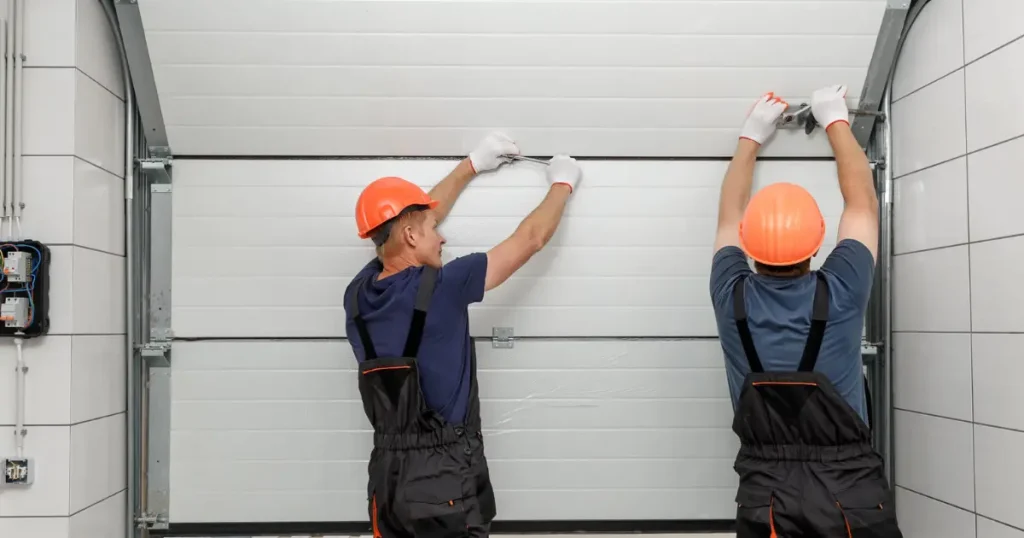

Which Garage Door Styles Are Most Common Today?
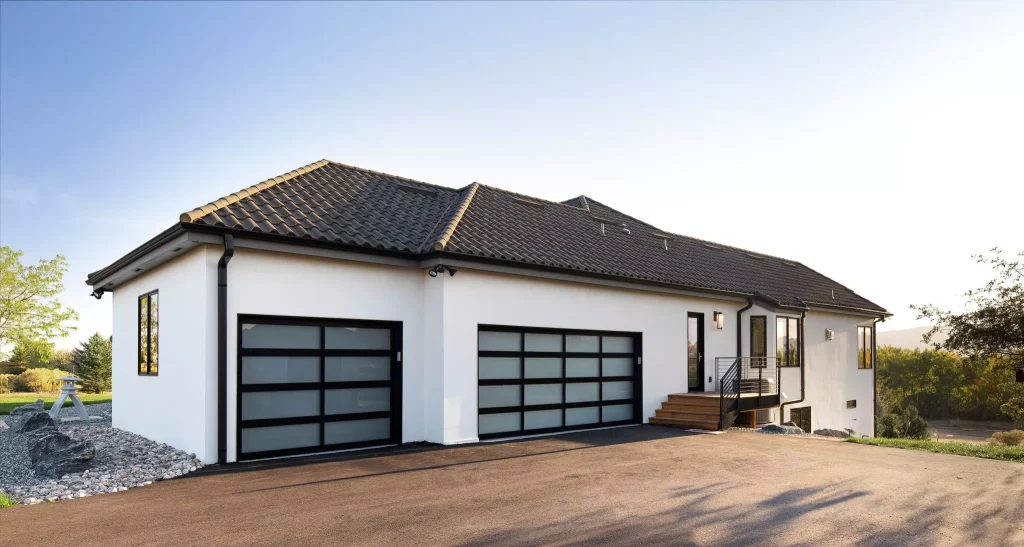
Garage doors play an important role in both the appearance and functionality of a home. Because they are one of the largest exterior features, the style of a garage door can greatly affect curb appeal and property value. When choosing a garage door, homeowners often consider durability, insulation, maintenance needs, and how well the design matches the home’s architecture, especially when planning a garage door installation. In areas like Kirkland, weather conditions such as rain and moisture can also influence which garage door materials perform best. Some styles remain popular for their classic look, while others are chosen for their modern design and energy efficiency. The sections below highlight the most common garage door styles used today, along with helpful insights on durability, maintenance, and considerations for homeowners planning a new garage door installation. Why Garage Door Style Matters for Modern Homes Garage door style affects much more than appearance. The right garage door design can complement the architecture of a home, improve insulation, and support long-term durability. Many homes in Kirkland feature a mix of architectural styles, including traditional, craftsman, and modern homes. Because the garage door is a large exterior feature, selecting a style that aligns with the home’s design helps create a balanced and attractive exterior. Another important factor is insulation. Insulated garage doors can help maintain more stable temperatures inside the garage, which can be beneficial during colder seasons. This can also reduce strain on a garage door opener and help protect items stored inside the garage. Durability also plays an important role. Moisture from frequent rain in the Pacific Northwest can affect certain materials if they are not properly maintained. Steel and composite garage doors are often selected because they provide good resistance to rust and environmental wear. What Homeowners Should Check Regularly Routine visual inspections can help identify small issues before they become larger problems. Homeowners may want to check: Weather seals along the bottom of the door Rust or corrosion on metal components Warped or damaged panels Unusual noises when the door operates Uneven movement during opening and closing Early detection can help maintain the reliability of the entire garage door system. For more helpful insights, explore the blog What Is the Most Popular Garage Door Style? to learn more about common garage door designs homeowners choose today. Raised Panel Garage Doors Raised panel garage doors are among the most common garage door styles used in residential homes today. This design features symmetrical rectangular panels that slightly protrude from the door surface, creating a classic and structured appearance. This style works well with many types of home architecture, including traditional suburban houses. Because of their versatility, raised panel garage doors can be found throughout many neighborhoods in Kirkland. Raised panel doors are commonly made from materials such as: Steel Wood Fiberglass Composite materials Steel raised-panel doors are particularly popular because they offer durability and relatively low maintenance compared to wood doors. Common Issues Homeowners May Notice Even durable garage doors can develop wear over time. Some common concerns include: Minor dents on steel panels Loose hinges or hardware Track alignment issues Worn weather seals Maintenance Tips Homeowners can help extend the lifespan of raised panel garage doors by: Keeping tracks clean and free of debris Inspecting hinges and brackets periodically Checking the door balance to reduce strain on the opener When panels become severely damaged, professional inspection may be necessary. Panel replacement can involve moderate repair costs depending on the door material and condition. Learn more about how different designs influence curb appeal in the blog How Do Garage Door Styles Affect Home Design?. Carriage House Garage Doors Carriage house garage doors are inspired by the appearance of historic barn doors. This design has become increasingly popular because it combines traditional charm with modern overhead garage door operation. These doors often feature decorative hardware such as: Handles Hinges Crossbeam patterns The style works especially well with craftsman and farmhouse-style homes. Carriage house garage doors are commonly made from: Wood Steel with decorative overlays Composite materials In many residential neighborhoods around Kirkland, carriage-style doors are chosen to add character and architectural detail to a home’s exterior. Potential Issues to Watch For Certain components of carriage house doors may require occasional attention, including: Decorative hardware loosens over time Weather seal wear Moisture-related expansion in wood doors Because the Pacific Northwest climate can include frequent rainfall, wooden carriage doors may require protective finishes to help reduce moisture exposure. Preventive Tips Homeowners may want to periodically inspect: Decorative hardware for loosened screws Weather stripping along the bottom of the door Door alignment during seasonal weather changes Routine inspection helps maintain the visual appeal and functionality of this garage door style. For more insights on contemporary designs, explore the blog What Garage Door Styles Work Best for Modern Homes?. Modern Flush Panel Garage Doors Modern flush-panel garage doors have become increasingly common, particularly in contemporary home designs. These doors feature a smooth, flat surface without raised panels, creating a clean and minimalist appearance. Flush panel doors are often used in modern homes where simple lines and minimal detailing are preferred. Newer residential developments around Kirkland and nearby areas often incorporate this type of garage door to match modern architecture. Common materials used for flush panel garage doors include: Steel Aluminum Composite materials Some designs may also incorporate horizontal accents or subtle textures. Possible Concerns While modern garage doors are designed for durability, homeowners may occasionally notice: Surface scratches or cosmetic damage Reduced insulation in non-insulated models Increased strain on the garage door opener if the door weight changes Helpful Inspection Tips Regular inspections can help ensure smooth operation. Homeowners can check: The door balances when opening or closing Garage door opener performance Insulation seals along panel edges If the door appears uneven or the opener struggles during operation, a professional inspection may help identify the cause. Glass Garage Doors Glass garage doors have gained popularity in recent years, especially in modern and luxury homes. These doors often
What Is the Most Popular Garage Door Style?

Garage doors affect both the look and function of a home. Since they are one of the largest exterior features, the style can influence curb appeal, home value, and energy efficiency. Homeowners today can choose from many styles, from traditional to modern designs. In Kirkland, WA, many prefer garage doors with insulation and weather resistance to handle the Pacific Northwest climate, especially when planning a garage door installation that supports long-term performance. Knowing the most popular garage door styles can help homeowners choose a design that fits their home and daily needs. Traditional Raised Panel Garage Doors Traditional raised-panel garage doors remain one of the most widely used garage door styles in residential homes. These doors feature symmetrical rectangular panels that create a clean and balanced appearance. Raised panel doors are often installed in steel, insulated steel, or composite materials, which helps provide durability and energy efficiency. This design fits well with many home styles, including ranch homes, suburban homes, and traditional architecture commonly found throughout neighborhoods in Kirkland. One reason raised panel garage doors are so popular is their versatility. The design is simple yet attractive, making it easy to match with various exterior finishes such as siding, brick, or stone. However, homeowners should still keep an eye on common wear issues. Over time, raised panel doors may develop minor dents, misalignment, or worn weather seals. Regular visual inspections can help identify these concerns early. Helpful tips for homeowners include: Checking for dents in steel panels Inspecting the bottom weather seal for cracks Watch for uneven door movement when opening Routine garage door maintenance helps keep this style operating smoothly. When repairs or replacements are needed, service costs typically vary depending on materials and installation conditions, though the average service range may vary. For a closer look at other common designs, explore the guide “Which Garage Door Styles Are Most Common Today?“ Carriage House Garage Doors Carriage house garage doors have become increasingly popular due to their classic and decorative appearance. Inspired by historic carriage houses, these doors often feature decorative handles, hinges, and detailed panel designs. This style blends well with Craftsman-style homes, farmhouse designs, and traditional architecture, which are common in many residential communities. The design adds character and charm while still operating with modern garage door systems. Carriage house garage doors may be constructed from wood, steel, or steel doors with wood overlays. These materials help combine the traditional look of older carriage doors with the convenience of modern automatic garage door openers. While visually appealing, homeowners should occasionally check certain components to maintain proper operation. Important areas to inspect include: Decorative hardware and hinges Door alignment Garage door springs and balance Loose hinges or worn springs can affect how smoothly the door opens and closes. Preventive inspections can help identify small issues before they lead to larger problems. Carriage house garage doors may involve higher average installation costs depending on the materials used and the complexity of the design. To learn more about how garage door styles influence curb appeal and architecture, read “How Do Garage Door Styles Affect Home Design?“ Contemporary Glass Garage Doors Modern homes increasingly feature contemporary glass garage doors, which provide a sleek and minimalist appearance. These doors typically use aluminum frames combined with large glass panels to create a modern architectural style. Many homeowners appreciate the amount of natural light these doors allow into the garage space. Frosted, tinted, or tempered glass panels are often used to provide privacy while still maintaining a clean design. In communities like Kirkland, WA, contemporary glass garage doors are often seen on modern homes, new construction properties, and waterfront residences. Although these doors offer a stylish appearance, certain components should still be monitored regularly. Things homeowners may want to check include: Cracks or chips in glass panels Frame alignment Track and roller condition Keeping garage door tracks clean and free of debris can help prevent operational problems. When glass panels are damaged, professional inspection is usually recommended to ensure safe replacement. Because of the materials involved, contemporary glass garage doors typically fall within moderate to higher average installation cost ranges. For more insights on modern designs, explore “What Garage Door Styles Work Best for Modern Homes?“ Flush Panel Garage Doors Flush panel garage doors feature smooth, flat surfaces with minimal detailing. This clean design makes them a popular option for homeowners who prefer a simple and modern appearance. Unlike raised panel doors, flush panel designs create a continuous surface across the entire garage door. The result is a sleek look that pairs well with modern architecture and newer residential developments. Flush panel doors are often made from steel, aluminum, or composite materials, which helps improve durability while keeping maintenance requirements relatively low. Homeowners who choose this style should occasionally inspect several areas to keep the door functioning properly. Recommended checks include: Surface scratches or damage The door balances when opening or closing Compatibility with the garage door opener system Choosing insulated flush-panel garage doors may also help regulate garage temperatures. This can be particularly beneficial during cooler months in the Pacific Northwest. Average service costs for these doors can vary depending on insulation features, door size, and installation requirements. Wood Garage Doors Wood garage doors provide a natural and elegant appearance that many homeowners find appealing. The natural grain and texture of wood can add warmth and sophistication to a home’s exterior. Many custom homes and upscale properties in Kirkland and the surrounding areas incorporate wood garage doors to enhance curb appeal. Common wood materials used in garage doors include: Cedar Redwood Engineered wood These materials allow for a variety of custom designs, finishes, and decorative windows. Although wood doors offer excellent visual appeal, they also require consistent care. Because Washington experiences regular rainfall and moisture, wood doors may be more vulnerable to water damage, swelling, or warping if not properly maintained. Homeowners should consider checking the following regularly: Paint or stain condition Signs of moisture exposure Weather seals and door edges Applying
Why Is My Smart Garage Door Opener Not Connecting to Wi-Fi?

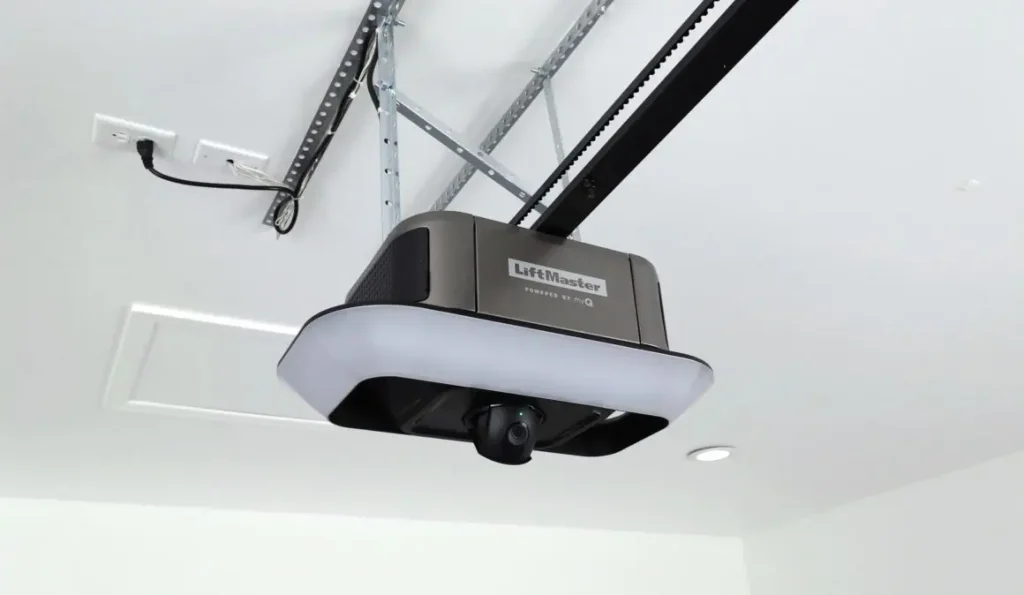
A smart garage door opener relies on stable Wi-Fi to deliver remote access, smart alerts, and real-time control through your mobile app. When it fails to connect, the issue may involve network settings, signal strength, app authentication, or even underlying garage door opener repair needs. Connectivity problems can prevent you from checking the status of your garage door or using smart home features tied to your security systems. Understanding why a smart garage door opener disconnects is the first step toward choosing the proper course of action and restoring full control of your garage. Why Is My Smart Garage Door Opener Not Responding in the App Over Wi-Fi? A smart garage door opener can show a Wi-Fi connection but still fail to respond in the app when network signaling, account authentication, or cloud communication breaks, blocking reliable two-way commands. Common causes that explain why app control fails even when Wi-Fi looks active include: The router allows a connection but blocks the device from completing secure cloud authentication. The app’s account session expires, preventing the opener from accepting new electronic messages. Device isolation or firewall settings prevent the garage door controller from communicating with the server. Weak signal quality causes the smart garage door controller to connect briefly, then drop before commands complete. Network congestion delays remote access and causes your garage door status to show as offline or lag behind actual movement. When these signs overlap, they often indicate a smart garage door opener Wi-Fi issue tied to signal stability or network settings, so read our guide on Smart Garage Door Opener Wi-Fi Troubleshooting: Quick Fixes to identify the most likely cause and what it means for reliable app control. Top Reasons a Smart Garage Door Opener Will Not Connect to Wi-Fi Weak Wi-Fi Signal in the Garage Disrupts Enrollment A smart garage door opener may fail to enroll or stay connected when the Wi-Fi signal near the garage is too weak to support steady app control and consistent electronic messages. Connection warning signs often include: The app shows the door opener as offline even while the garage door still operates by wall control. Pairing completes once, then drops again within minutes or hours. Smart alerts arrive late or fail to trigger after open-and-close cycles. Garage door remote access works near the router but fails near the garage opener location. The status of your garage door updates is inconsistent and does not match the actual movement. Signal instability near garages is common because distance, dense surfaces, and nearby electronics can weaken wireless performance, and AT&T explains common causes of Wi-Fi interference that reduce range and reliability in homes. 2.4 GHz and 5 GHz Band Mismatch Prevents Reliable Pairing A smart garage door opener often fails Wi-Fi setup when the router pushes it to a band it cannot support, or when the router shifts bands during enrollment. Band-related pairing failures commonly show up as: The opener connects briefly, then disappears from the myQ app device list. Setup succeeds on one attempt but fails immediately after a router reboot. Smart home platforms show the device as unavailable even when Wi-Fi seems active. The router lists the device, but app control never becomes stable. The garage door controller cannot complete registration because the band changes mid-process. Band steering and mixed-network behavior can disrupt stable enrollment, and checking garage remote control compatibility can help confirm whether the opener is set up for reliable wireless access. Router Security Settings Block Device Authentication A smart garage door opener can be rejected by the network when router security rules prevent it from completing the cloud authentication required for remote access and app control. Security-related blocks often appear as: The opener joins Wi-Fi but remains offline in the app. Pairing fails at the final confirmation stage, with no clear explanation. Device isolation prevents the garage door controller from communicating with other smart devices. Firewall settings interrupt outbound connections needed for cloud validation. The opener loses connectivity after security updates or changes to router settings. Modern security modes and device controls can limit how smart devices connect, and Google explains how Wi-Fi security and router configuration affect device access and authentication. Network Congestion or Interference Disrupts Smart Wi-Fi Openers A smart garage door opener can disconnect or lag when Wi-Fi congestion slows communication between the opener, the router, and the cloud service. Traffic and interference problems often show up as: App control delays make open or close commands feel unresponsive. Smart alerts arrive after the garage door has already completed its travel. Frequent disconnect cycles at peak usage times in the home. Dropouts occur when security systems, streaming devices, or smart home platforms are active. The status of your garage door is showing outdated information inside the app. Heavy network traffic can reduce reliability for smart Wi-Fi openers, so improving network stability is often more effective than replacing hardware too early. App Permissions or Account Login Errors Break Registration A smart garage door opener can fail to register when the app cannot complete permissions, account validation, or device ownership checks needed to enable full app control. Account and permission issues commonly include: Login sessions are expiring and preventing new electronic messages from syncing. Mobile settings restricting background updates are needed for real-time status. App permissions block discovery during Wi-Fi setup or device registration. Multiple accounts are causing confusion about who controls your garage access. Cloud registration is failing even when the router shows the device connected. App-side failures can mirror network problems, and Chamberlain Group explains common “offline” and “device not responding” behaviors in the myQ app, helping map symptoms to the right cause more accurately. Firmware Conflicts Prevent Stable Connectivity A smart garage door opener may connect once and then fail later when firmware conflicts interrupt the handshake between the opener, router, and smart home service. Firmware-related instability often shows up as: The opener goes offline after app updates or router firmware updates. Smart home integrations such as Google Home or Apple HomeKit are losing the connection.
How to Reset Smart Garage Door Opener Wi-Fi Settings

A smart garage door opener relies on a stable Wi-Fi connection to deliver remote access, real-time status updates, and reliable app control from anywhere. When the connection drops, the system can appear offline even though the garage door opener still works locally. Reset Smart Garage Door Opener Wi-Fi settings allows the smart garage door opener to clear old network credentials and reconnect properly after router changes, password updates, or signal conflicts. If the issue persists after a reset, garage door opener repair may be necessary to address deeper control board or connectivity issues. Why Reset Smart Garage Door Opener Wi-Fi Essential for Fast Connection? A smart garage door opener may need a Wi-Fi reset when network changes, router upgrades, firmware updates, or account sync conflicts prevent the system from maintaining stable cloud communication and accurate remote access reporting. Common situations that make a Wi-Fi reset necessary include: The router name or password was recently changed. The opener shows connected to Wi-Fi but remains offline in the app. The device drops the connection after a power outage. Firmware updates fail to complete or stall during sync. The opener connects briefly, then repeatedly disconnects. The app cannot remotely confirm the status of your garage door. Smart home integrations such as Google Home stop responding. When these connection patterns show up, and the system cannot restore stable communication, our blog on Why Is My Smart Garage Door Opener Not Connecting to Wi-Fi? helps confirm whether a reset is enough or if service is needed. Steps to Reset Smart Garage Door Opener Wi-Fi Check App Login and Device Permissions App access and phone permissions can prevent pairing even when the smart garage door opener is powered on and ready to reconnect. Account verification: Sign in to the correct profile so the opener is not tied to an outdated user session. Permission confirmation: Allow Bluetooth, Local Network, and notifications so the app can discover the device and send electronic messages during setup. Network alignment: Keep the phone on the same Wi-Fi network the opener will use during pairing. Version review: Update the app so the setup flow and prompts match the current platform. Background readiness: Allow background activity so pairing does not drop mid-process. The Chamberlain Group provides a Wi-Fi troubleshooting guide that explains LED indicator behavior, 2.4 GHz requirements, and common setup interruptions that can prevent a successful myQ opener connection. Confirm the Reset Type You Need Reset results improve when the reset type matches the symptom, since clearing the wrong settings can keep the same connection failure in place. Symptom sorting: Separate offline-in-app behavior from a true cannot-join-Wi-Fi failure. Change tracking: Note recent router swaps, password updates, or smart home relinks. Device path check: Identify whether Wi-Fi is built into the opener head or handled by an external controller. App behavior scan: Confirm whether the device appears in the app but stalls during registration. Decision framing: Use a Wi-Fi reset for credential conflicts, and a deeper reset only when pairing mode will not hold. A correct reset choice reduces repeat attempts and keeps reconnection aligned with how the opener stores network settings. Remove the Stored Wi-Fi Network Clearing the saved network profile prevents the opener from retaining old credentials that no longer match the current router. Control location: Find the Wi-Fi or settings control on the opener head or controller module. Erase sequence: Use the correct clear method for the platform so the stored network is truly removed. Indicator check: Watch for the exact light pattern that confirms the erase is completed. Write time: Allow a short pause after the erase to let internal memory finish updating. Restart discipline: Begin reconnection only after the unit returns to a ready state for setup mode. Correctly clearing Wi-Fi creates a clean baseline, making the next pairing attempt far more reliable. Enable Wi-Fi Pairing Mode Pairing mode creates the discovery window that the app needs to locate the opener and begin secure registration on the network. Mode activation: Start pairing mode using the correct button sequence for your opener platform. Distance control: Keep the phone close to the opener during discovery to reduce dropouts. Screen focus: Stay on the add-device screen to prevent scanning from pausing mid-process. Network stability: Disable VPN profiles on the phone during setup to avoid handshake failures. Time window check: Confirm pairing mode stays active long enough to complete registration. Reliable pairing mode sets up a stable connection path and reduces random failures during Wi-Fi onboarding. Connect to the Correct Network Network selection problems often occur when the opener supports only specific Wi-Fi bands or when the phone switches networks during setup. SSID accuracy: Select the correct network name, including capitalization and spacing. Band compatibility: Use 2.4 GHz if the opener does not support 5 GHz for smart home devices. Credential validation: Confirm the current Wi-Fi password, not an older saved credential. Router rule review: Avoid guest networks or client isolation settings that block onboarding. Signal reliability: Confirm consistent coverage at the opener location, especially for a detached garage. Google explains why smart devices often need to be set up again after Wi-Fi changes, which matches what happens during smart opener reconnection. Confirm Cloud Status and Remote Control Wi-Fi connection alone is not the finish line, since cloud authentication enables remote access and accurate status reporting. Online confirmation: Verify the app shows the opener as online, not only connected to Wi-Fi. Command response: Send an open or close command and confirm a normal response. Status accuracy: Verify that your garage door status updates correctly after each cycle. Off-network validation: Test from cellular data to confirm control works away from home Wi-Fi. Error pattern review: Watch for repeated sign-in or token errors that point to account sync issues. If the app still cannot send reliable commands after Wi-Fi reconnects, emergency garage door service becomes the fastest way to restore safe access when remote control failure blocks normal entry. Check Firmware Sync After Reconnect Firmware and app compatibility affect stability, especially when the
Smart Garage Door Opener Wi-Fi Setup in Kirkland, WA

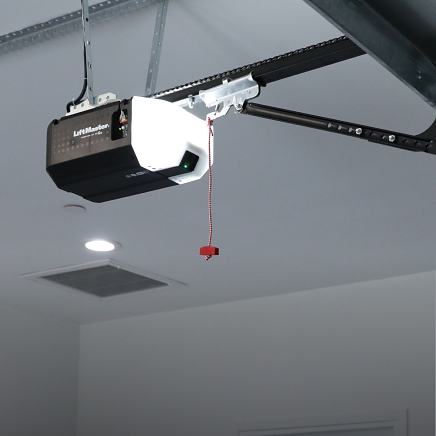
A properly configured smart garage door opener delivers dependable app control, accurate door status updates, and secure remote access for homeowners in Kirkland, WA. When Wi-Fi setup is incomplete or the system is paired incorrectly, connection failures, delayed commands, and unreliable reporting can disrupt daily use. Professional Wi-Fi setup aligns your opener with the right network settings, smart home platforms, and security features to reduce dropouts and restore consistent performance. If the issue is tied to a mechanical or electronic fault instead of configuration, a full system check may point to garage door opener repair before stable connectivity returns. What Is Included in Wi-Fi Setup for a Smart Garage Door Opener in Kirkland, WA? Professional Wi-Fi setup ensures your smart garage door opener is securely paired to the correct network, properly authorized within the app environment, and fully validated for stable remote access, so homeowners in Kirkland, WA, experience consistent daily performance. Key items included in a setup visit often cover: Signal strength verification at the opener location to prevent dropouts during open and close cycles. Network compatibility checks to confirm that router security settings allow proper communication with smart devices. Secure pairing to the correct Wi-Fi band to maintain stable connectivity after router restarts. Account authorization and permission setup to support accurate smart alerts and activity logs. Full response testing to confirm command timing and the status of your garage door remains accurate inside the app. If connection failures persist after these configuration checks, reading our blog on Why Is My Smart Garage Door Opener Not Connecting to Wi-Fi? can help clarify whether the issue stems from deeper network conflicts or hardware limitations that require further evaluation. Smart Garage Door Opener Wi-Fi Configuration Steps Step 1: Check Signal Strength and Network Compatibility A reliable setup for a smart garage door opener starts with confirming that the Wi-Fi signal in the garage supports stable communication between the opener, router, and cloud platform. Signal and compatibility indicators to evaluate include: Wi-Fi strength is measured at the ceiling height where the opener is installed. Router placement in relation to insulated walls or structural barriers. Network encryption type to confirm support for the required security standards. Device congestion may reduce connection stability. Consistency in performance during motor startup as the electrical load increases. Wi-Fi limitations are a common cause of setup failure, and the Chamberlain Group guide explains how to test signal strength in the garage and confirm the opener is within the proper range of the router. Step 2: Confirm Opener Model and Smart Features Accurate Wi-Fi configuration requires verifying that the garage door opener supports modern smart features and secure cloud communication before pairing begins. Model and feature validation typically involves: Identifying the manufacturer and logic board version. Confirming whether built-in Wi-Fi is available or if a smart garage door controller is required. Reviewing compatibility with current smart home platforms. Checking firmware support for stable connectivity. Verifying proper safety sensor function before integration. Correct model confirmation prevents unsupported integrations and pairing failures that are often mistaken for network problems. Step 3: Pair the Opener to the Correct Wi-Fi Band Proper pairing ensures the smart garage door opener connects to the correct Wi-Fi band and maintains stable authentication after router restarts or brief outages. Critical pairing checkpoints often include: Selecting the correct network instead of a restricted guest profile. Connecting to the supported 2.4 GHz band when required. Confirming password and encryption compatibility. Monitoring retention after initial open and close cycles. Verifying cloud registration inside the mobile app. When band alignment does not resolve repeated disconnections, read our guide on How to Reset Smart Garage Door Opener Wi-Fi Settings to clarify whether a full reconfiguration is needed. Step 4: Set Permissions and Authorize the Account Stable Wi-Fi operation depends on proper account authorization, device permissions, and secure app communication that allows accurate door status updates. Account and access review generally covers: Confirming primary account ownership to prevent profile conflicts. Enabling notification permissions for consistent smart alerts. Configuring multi-user access levels for shared households. Verifying secure transmission of electronic messages. Linking supported integrations such as Google Home or Apple HomeKit. Proper app enrollment, Wi-Fi learn mode activation, and a 2.4 GHz network are required for successful pairing, following the official myQ Wi-Fi garage door opener connection instructions for device registration and account setup. Step 5: Test Door Status Updates and Remote Control Final validation confirms that the smart garage door opener responds quickly, reports accurate positions, and reconnects properly after network interruptions. Performance verification points typically include: Running multiple open and close cycles to confirm a consistent response. Observing command timing between app input and door movement. Confirming accurate status updates after travel completes. Testing physical remote control transmitters with mobile commands. Restarting the router to confirm automatic reconnection. Successful validation supports long-term remote access, reliable control of your garage, and stronger home security without recurring connectivity disruptions. What a Smart Wi-Fi Openers Setup Service Covers A professional setup for smart Wi-Fi openers ensures the system is securely connected, properly authorized, and fully tested, so homeowners in Kirkland, WA, can rely on stable app control and consistent door performance. Service coverage typically includes: Device enrollment under the correct primary account to prevent pairing conflicts or legacy login issues. Verification of built-in Wi-Fi capability or installation of a compatible smart garage door controller when required. Firmware review to confirm the opener supports current smart home platforms and cloud communication standards. Secure pairing to the appropriate network band for reliable connectivity and reduced dropouts. Configuration of user permissions and multi-user access for shared household control. Activation and testing of smart alerts so notifications reflect real-time door activity. Validation of door travel, response timing, and accurate status reporting inside the mobile app. Post-setup reliability testing to confirm stable remote access after router restarts or temporary power interruptions. Ongoing performance stays more consistent when setup is paired with garage door maintenance over time, since early wear patterns and connectivity changes are easier to catch before reliability
When Replacing an Aging Garage Door Becomes More Practical Than Continuing Repairs

Aging garage doors often continue operating long after their original service life because repairs appear manageable on the surface. Hinges get replaced, panels are reinforced, and small adjustments restore function temporarily. Over time, these fixes begin to stack, creating a pattern where reliability depends on frequent attention rather than stable performance. This gradual shift makes it harder to recognize when ongoing repairs stop serving the system well, making the decision to invest in a new garage door increasingly important. Wear rarely appears all at once, which makes the decision between repair and replacement less obvious. Mechanical fatigue develops unevenly across panels, hardware, and structural supports. As repairs become more frequent, the system often loses consistency even when individual problems seem resolved. Understanding this progression helps clarify when continued repair no longer delivers dependable results. Recognizing When Repairs No Longer Restore Stability A garage door reaches a point where repairs stop improving overall system behavior. Individual fixes may resolve symptoms while leaving deeper structural issues untouched. This condition often leads to unpredictable performance that cannot be fully corrected by repairs. Mechanical systems rely on balance and alignment, both of which degrade gradually. When those foundational qualities weaken, repairs address isolated parts instead of restoring system integrity. Find out what homeowners begin to notice after installing a new garage door, including smoother operation and improved dependability, by reading: What Homeowners Begin to Notice After Installing a New Garage Door. Repeated Adjustments That Fail To Hold Repeated adjustments often signal deeper wear rather than isolated failure. Alignment changes that return frequently indicate structural fatigue. These patterns suggest that the system no longer holds adjustments effectively. Continued repair becomes a cycle of correction without long-term stability. Learn how installing a new garage door improves long-term reliability while enhancing daily performance and ease of use by reading: How Installing a New Garage Door Improves Long-Term Reliability and Daily Performance. Inconsistent Performance After Successful Repairs Successful repairs should restore consistent operation, not temporary improvement. When performance varies daily, deeper issues are often present. Inconsistency reflects cumulative wear that replacement addresses more effectively than repeated repair. Explore why choosing a new garage door means looking beyond style and appearance to consider safety, efficiency, and lasting value by reading: Why Choosing a New Garage Door Requires Looking Beyond Style and Appearance. The Hidden Cost Of Ongoing Repairs Repair costs extend beyond invoices, especially when reliability becomes unpredictable. Downtime, repeated service calls, and functional limitations all contribute to long-term expense. Over time, these hidden costs often exceed the value of continued repair. Financial considerations should include both direct and indirect impacts. Garage door replacement offers the predictability that repeated repairs often cannot. Accumulated Labor And Service Visits Multiple service visits increase costs even when individual repairs seem affordable. Labor often exceeds replacement costs over time. Accumulated labor costs create financial pressure without improving system longevity. Operational Disruptions And Access Limitations Unreliable operation affects daily routines and access reliability. Disruptions become more frequent as repairs become less effective. Operational inconvenience adds value to replacement beyond repair savings alone. Structural Wear That Repairs Cannot Reverse Structural fatigue develops slowly, often unnoticed until repairs fail to hold. Wood framing, mounting points, and panel connections weaken over time due to repeated stress. Repairs cannot reverse these changes once they progress. Structural decline affects how the system distributes weight and manages movement. Replacement restores integrity rather than compensating for weakened foundations. Frame And Mounting Fatigue Mounting points absorb operational forces during every cycle. Over time, these areas lose holding strength. Structural fatigue limits the effectiveness of hardware repairs and compromises long-term safety. Panel Deformation And Alignment Loss Panels often deform subtly, affecting alignment across the entire door. Repairs may correct surface issues while leaving distortion unaddressed. Deformation spreads strain across the system, making replacement more practical than continued correction. Safety And Reliability Concerns Over Time Safety risks increase as aging systems lose predictable behavior. Sensors, springs, and lifting mechanisms rely on alignment that repairs cannot always restore. The replacement improves safety consistency by resetting the system geometry. Reliability affects both safety systems and daily operation. Replacement addresses these concerns comprehensively. Increased Risk Of Sudden Failure Sudden failure becomes more likely as fatigue accumulates. Repairs may delay but not prevent unexpected breakdowns. Replacement reduces the likelihood of unpredictable failures that repairs struggle to prevent. Safety Systems Losing Calibration Safety components rely on stable movement paths. Aging systems challenge calibration accuracy. Replacement restores consistent geometry, supporting reliable safety performance. Functional Limitations Of Older Designs Older garage doors reflect outdated design standards that limit efficiency and reliability. Repairs maintain function, but cannot modernize design limitations. Replacement introduces improved performance characteristics. Design advancements affect materials, balance systems, and movement efficiency. Replacement leverages these improvements. Weight And Balance Challenges Older doors often weigh more and distribute the load less efficiently. Repairs cannot change the fundamental design weight. Replacement introduces balanced systems designed for smoother, more efficient operation. Compatibility With Modern Systems Older doors may not integrate well with modern components. Repairs cannot resolve compatibility mismatches. Replacement allows full integration with current standards and technologies. Visual And Environmental Performance Decline Appearance and environmental control often degrade alongside mechanical reliability. Repairs restore function but rarely improve insulation or aesthetics. Replacement addresses these broader performance aspects. Visual alignment and sealing quality affect both appearance and interior comfort. Declining Seal Effectiveness Seals rely on alignment and panel integrity. Aging doors lose sealing efficiency despite repair. Replacement improves sealing performance through precise alignment and updated materials. Outdated Appearance And Finish Wear Finish degradation affects curb appeal and material protection. Repairs seldom address cosmetic decline. Replacement refreshes appearance while restoring protective performance. Evaluating Replacement As A System-Level Solution Replacement addresses problems collectively rather than individually. System-level evaluation clarifies when replacement offers better value than repair. This approach considers reliability, safety, and performance together. Replacement resets wear cycles across all components simultaneously. Repairs cannot achieve this comprehensive reset. Coordinated Component Renewal Replacement renews all major components at once. This coordination improves reliability. Coordinated renewal eliminates
Why Choosing a New Garage Door Requires Looking Beyond Style and Appearance
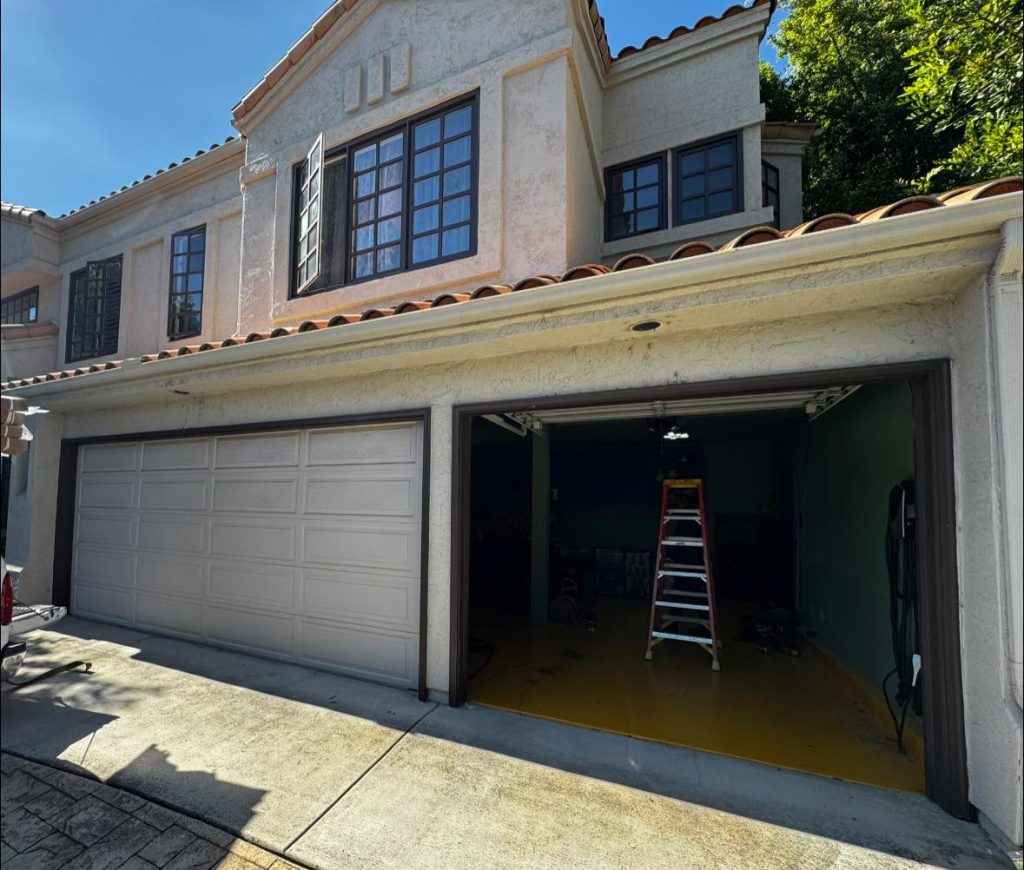
Selecting a new garage door often begins with visual preferences, since color, texture, and panel design immediately affect how a home looks from the street. Appearance matters, but focusing solely on style can mask practical factors that affect how the door performs day to day. Many important qualities stay unnoticed until months after installation, when daily use reveals strengths or weaknesses in design and construction. Long-term performance depends on how materials, structure, and hardware work together under regular use. A garage door opens and closes thousands of times over its lifespan, which places repeated stress on every component. Understanding what lies beneath surface appearance helps explain why thoughtful selection goes beyond visual appeal alone. Structural Design Plays a Major Role in Long-Term Performance Structural design determines how well a door handles weight, movement, and stress over time. While style draws attention, structure supports everything that happens after installation. A visually appealing door may still struggle if the internal framework lacks proper strength. Performance issues often develop gradually, making it difficult to connect them back to early design decisions. Structural considerations shape reliability long after the excitement of installation fades. Find out what homeowners begin to notice after installing a new garage door, from quieter operation to improved reliability, by reading: What Homeowners Begin to Notice After Installing a New Garage Door. Internal Framing Strength Affects Daily Operation Internal framing supports panels during movement and helps distribute weight evenly across the door system. Weak framing increases strain on hinges, tracks, and lifting hardware. These elements reduce long-term wear by preventing stress from concentrating in one area. When internal framing remains stable, the door moves smoothly and maintains consistent performance. Learn how a new garage door supports long-term reliability while delivering smoother, more consistent daily performance by reading: How Installing a New Garage Door Improves Long-Term Reliability and Daily Performance. Panel Construction Influences Durability Panel construction affects how the door responds to temperature changes and repeated use. Thin or poorly supported panels may flex during movement. Durable panel construction supports both appearance and performance, ensuring the door maintains its shape and alignment longer. Explore when replacing an aging garage door becomes the more practical and cost-effective choice compared to continuing repairs by reading: When Replacing an Aging Garage Door Becomes More Practical Than Continuing Repairs. Material Choices Affect More Than Appearance Material selection influences durability, maintenance needs, and long-term reliability. While certain finishes may look attractive, materials behave differently under daily stress and changing weather conditions. Over time, material quality becomes more noticeable than visual design. Understanding how materials age helps explain why appearance alone should not guide selection. How Materials Respond to Daily Wear Different materials handle friction, moisture, and impact in unique ways. Daily use magnifies these differences. Material behavior affects how often adjustments or garage door repairs become necessary. Durable materials reduce service needs over time. Maintenance Requirements Vary By Material Type Maintenance expectations differ depending on the chosen material. Some materials require regular attention to preserve performance. Choosing materials with manageable maintenance needs supports consistent operation and reduces unexpected upkeep. Balance And Weight Distribution Matter More Than Design Trends Balance determines how smoothly a door opens and closes. While design trends influence appearance, balance affects daily reliability and safety. Weight distribution depends on door size, material, and internal construction. Imbalance places strain on hardware and shortens system lifespan. Why Proper Weight Balance Supports Reliability Balanced doors reduce stress on springs and lifting systems. A proper balance allows components to operate within their intended ranges. Reliable balance reduces mechanical fatigue and helps maintain predictable operation. The Impact Of Heavy Design Elements Decorative elements can add weight, affecting performance. Without proper design compensation, added weight causes strain. Understanding how design choices affect balance ensures visual features do not compromise performance. Hardware Quality Often Gets Overlooked Hardware supports every movement of the garage door system. Hinges, rollers, tracks, and fasteners must handle repeated stress reliably. Style choices rarely reveal hardware quality, yet hardware determines how long the system remains dependable. Roller And Track Construction Influence Smoothness Rollers and tracks guide movement and absorb friction. Their quality affects noise levels and ease of operation. Reliable hardware improves daily performance and reduces wear on surrounding components. Fasteners And Brackets Affect System Stability Mounting hardware anchors the system to the structure. Poor-quality fasteners loosen over time. Stable hardware supports long-term reliability by maintaining consistent positioning. Insulation And Energy Performance Go Beyond Comfort Insulation influences energy efficiency and component protection. While insulation often improves comfort, it also supports mechanical stability. Temperature changes affect materials and movement. Insulated doors help reduce extreme shifts. Insulation Helps Control Temperature Effects Temperature swings cause expansion and contraction. Insulation moderates these effects. Stable temperatures support smoother operation and longer component life. Insulation Adds Structural Support Insulated doors often feature layered construction that improves rigidity. Insulation benefits extend beyond comfort into structural reliability. Safety Features Depend On More Than Looks Safety systems rely on alignment, balance, and consistent movement. Visual design does not indicate how well safety features perform. Proper integration ensures safety systems respond reliably over time. Alignment Supports Reliable Safety Response Safety sensors depend on consistent door travel. Misalignment affects response accuracy. Reliable safety performance protects users and property during daily operation. Structural Integrity Supports Safety Systems Strong construction helps safety features function as designed. Safety depends on the underlying construction rather than appearance alone. New Garage Door Style Should Support Practical Performance A new garage door style should enhance performance rather than compromise it. Design decisions influence how well the system handles daily use. Style and function work best together when design supports mechanical needs. Choosing Style Without Sacrificing Strength Visual elements should align with performance requirements and residential code provisions. Thoughtful style choices support both appearance and reliability. Long-Term Appearance Depends On Performance Appearance lasts longer when performance remains stable. Durable performance protects visual appeal over time. Professional Evaluation Supports Informed Selection Professional evaluation considers factors beyond appearance. Experience reveals how different designs perform over time.
How Installing a New Garage Door Improves Long-Term Reliability and Daily Performance
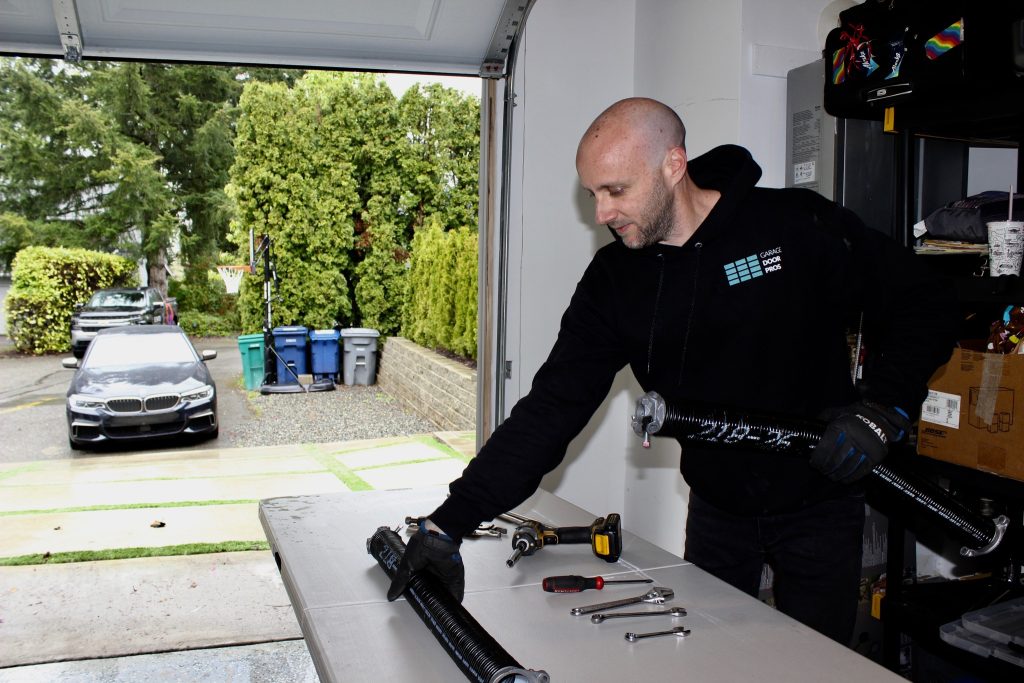
Installing a new garage door often changes how a home functions in ways that extend beyond appearance or initial convenience. Daily operation, mechanical consistency, and system balance begin to reveal themselves through repeated use over weeks and months. These patterns show how installation quality and component compatibility influence reliability over time, rather than immediately after installation. Daily performance improvements often become clearer as routines settle and seasonal conditions change. Movement smoothness, sound levels, and response consistency highlight how a properly completed new garage door installation supports long-term dependability. Observing these outcomes helps explain why reliability and performance improvements continue well beyond the first few days of use. Structural Stability And System Balance Improvements A major reliability improvement comes from how a newly installed system distributes weight and manages structural forces. Proper alignment and mounting create a stable foundation that reduces uneven stress across moving components. Over time, this balance helps the system maintain consistent performance even under frequent daily use. Structural stability also influences how well the system resists gradual shifts caused by temperature changes, humidity, and normal wear. When installation supports balanced movement, reliability improves naturally without constant adjustment or corrective service. Find out what homeowners start to notice after installing a new garage door, from smoother operation to improved reliability, by reading: What Homeowners Begin to Notice After Installing a New Garage Door. Improved Weight Distribution Across Moving Components Balanced weight distribution affects every cycle of operation, especially during opening and closing movements. Proper setup ensures that no single component absorbs excessive strain. These characteristics allow components to wear evenly rather than failing prematurely. Over time, even weight distribution supports predictable performance without sudden changes in operational behavior. Learn when replacing an aging garage door becomes the smarter option compared to continuing frequent or costly repairs by reading: When Replacing an Aging Garage Door Becomes More Practical Than Continuing Repairs. Reduced Structural Flex And Mounting Stress Mounting quality directly affects how forces transfer into the surrounding framing. Strong anchoring reduces vibration and movement during operation. Lower structural stress protects both the system and the surrounding structure, supporting reliability throughout the system’s lifespan. Explore why selecting a new garage door involves more than appearance and should factor in performance, safety, and long-term value by reading: Why Choosing a New Garage Door Requires Looking Beyond Style and Appearance. Smoother Daily Operation And Motion Consistency Daily performance improvements often appear through smoother movement patterns. Consistency during operation reflects correct alignment and calibration during installation. Smooth motion reduces internal friction, enabling quieter, more predictable use. Motion consistency also reduces the likelihood of sudden resistance or hesitation. These improvements help maintain long-term reliability by minimizing unnecessary mechanical strain. Consistent Opening And Closing Movement Consistent movement reduces internal stress and improves user experience. Proper installation supports uniform motion across every cycle. Consistency prevents components from compensating for imbalance, thereby supporting a longer service life and reduced maintenance demands for garage doors. Lower Operating Noise Over Time Noise reduction reflects smoother interaction between components rather than sound insulation alone. Quiet operation often signals reduced friction and proper spacing. Lower noise levels often persist long-term when installation quality supports consistent alignment and balance. Enhanced Reliability Through Proper Component Matching Component compatibility plays a critical role in long-term performance. Installation decisions determine whether parts work together efficiently or create hidden strain. Correct matching improves reliability by preventing overuse of individual components. Matching also affects how the system responds to varying loads, weather changes, and frequent daily cycles. Balanced systems adapt better to these conditions. Hardware And System Compatibility Benefits Compatibility ensures that components operate within intended ranges. Proper pairing supports efficient performance. Compatible components reduce the risk of early wear and support consistent reliability over time. Reduced Need For Early Adjustments Proper component matching significantly reduces the need for early corrective service, ensuring that systems remain stable for longer when all parts function correctly as intended. Reduced adjustments allow the system to maintain reliability without frequent intervention. Improved Safety Performance During Daily Use Safety features depend on precise calibration and alignment. Installation quality directly affects how consistently these features perform. Over time, reliable safety behavior builds confidence and reduces unexpected issues. Safety improvements become noticeable as the system responds predictably to routine operation and unexpected obstacles. Consistency supports both reliability and peace of mind. More Reliable Response To Obstructions An accurate setup enables safety systems to respond consistently in real conditions. Proper calibration ensures dependable operation. Reliable safety responses reduce the likelihood of emergency situations requiring immediate service intervention. Increased Confidence During Frequent Operation Confidence grows as daily use confirms consistent behavior. Reliable performance reduces hesitation and concern. Confidence reflects long-term reliability supported by quality installation rather than short-term performance alone. Long-Term Maintenance Predictability And Reduced Disruptions Maintenance patterns change after proper installation. Predictable wear enables scheduled service rather than reactive repairs. Over time, this predictability supports system reliability and cost stability. Maintenance planning becomes easier when the system behaves consistently. Observations guide timely care rather than emergency intervention. Clearer Indicators For Routine Garage Door Maintenance Stable systems provide clear signals when maintenance is needed. Predictable behavior simplifies oversight. Clear indicators allow maintenance to support reliability rather than respond to breakdowns. Fewer Emergency Service Situations Reduced emergency calls reflect stable system behavior, which is critical to ensuring homeowners can rely on their garage doors without the constant worry of unexpected failures. Additionally, proper installation minimizes sudden issues that could disrupt the door’s functionality and lead to costly repairs or safety concerns. Fewer emergency situations protect both the system and daily routines from disruption. Visual And Functional Integration With The Home Performance improvements also include how the system integrates visually and functionally. Proper installation supports a consistent appearance alongside reliable movement. Visual alignment often mirrors mechanical alignment. Integration affects how the system ages and maintains its appearance over time. Stable alignment preserves both function and aesthetics. Consistent Panel Alignment Over Time Panel alignment affects appearance and performance. Proper installation maintains uniform spacing. Consistent alignment reduces twisting forces
What Homeowners Begin to Notice After Installing a New Garage Door
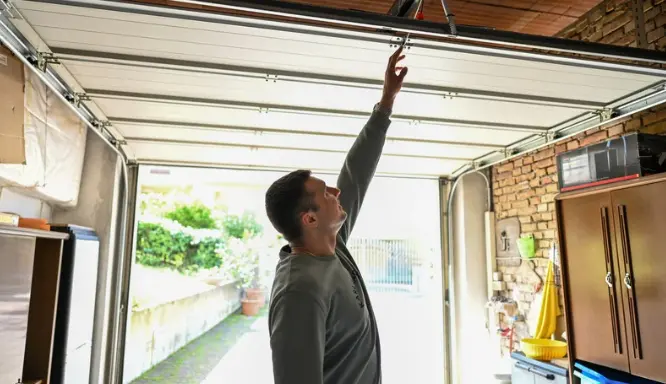
Installing a new garage door often brings an immediate visual change and smoother operation, yet many of the most meaningful differences appear gradually over time. Subtle shifts in sound, movement, and balance become noticeable as the system settles into regular operation. These observations often relate more to how the door interacts with the home, the structure, and the surrounding environment over time. Changes after a new garage door installation often reveal how installation choices, materials, and setup affect long-term performance. Homeowners commonly notice differences in comfort, noise levels, and consistency that were not obvious during initial testing. Understanding these patterns helps explain why early observations matter for long-term reliability, safety, and overall system stability. Changes in Daily Operation and Movement Daily operations provide the clearest insight into how a new system performs in real-world conditions. While initial testing confirms basic function, repeated use highlights subtler characteristics that influence reliability. Movement quality, speed consistency, and balance become more apparent as the door opens and closes throughout the day. Over time, homeowners often notice that the operation feels different from older systems, even when no visible issues are present. These differences usually connect to how components were aligned, balanced, and secured during installation. Find out how installing a new garage door improves long-term reliability while delivering smoother, more consistent daily performance by reading: How Installing a New Garage Door Improves Long-Term Reliability and Daily Performance. Smoother Travel With Fewer Interruptions Many homeowners notice smoother door travel during routine operation after installation. Movement often feels more consistent from start to finish. These improvements reflect proper alignment and balanced components working together. As daily use continues, smooth travel reduces strain on moving parts and supports longer system life. Learn when replacing an aging garage door becomes a more practical and cost-effective choice than continuing ongoing repairs by reading: When Replacing an Aging Garage Door Becomes More Practical Than Continuing Repairs. More Predictable Opening and Closing Speed Consistency in speed becomes noticeable once daily routines resume. A well-installed system maintains steady movement without sudden acceleration or slowdown. Predictable speed reduces wear and helps maintain safe operation as the system ages. Explore why choosing a new garage door means considering factors beyond style, including safety, performance, and long-term value, by reading: Why Choosing a New Garage Door Requires Looking Beyond Style and Appearance. Differences in Noise and Vibration Levels Noise changes often stand out after installation because sound travels differently through the home. These differences become clearer during quiet hours or frequent use. Vibration patterns also vary with hardware placement and alignment. Noise reduction often signals improved installation quality rather than simply newer components. Sound patterns reveal how smoothly parts interact during operation. Reduced Mechanical Noise During Operation Many systems operate more quietly after installation due to improved alignment and component condition. Lower noise levels suggest reduced friction and proper spacing between components. Over time, quieter operation often correlates with lower maintenance demands. Changes in Structural Vibration Vibration transfers through framing, especially in attached garages. Homeowners may notice reduced shaking during operation. Lower vibration protects both the door system and the surrounding structure, supporting long-term stability. Shifts in Balance and Control Feel Balance influences how the door responds to controls and manual handling. Subtle balance improvements become noticeable during daily use, especially during partial openings or stops. A properly balanced system distributes weight evenly, reducing stress on components. Over time, balance quality affects reliability and safety. Easier Manual Operation When Needed Manual operation becomes easier when the balance is correct, even if rarely required. These characteristics reflect accurate spring adjustment during installation. Balanced systems age more evenly and predictably. More Responsive Control Inputs Control responsiveness improves significantly when the balance is designed to support movement rather than merely resist it, leading to a more efficient and fluid operation overall. Responsive controls reduce motor strain and enhance long-term performance. Observations Related to Appearance and Fit Appearance changes extend beyond style and color, as the fit and alignment of the door significantly influence how it appears when closed or even partially open, making these details increasingly noticeable over time. In fact, visual consistency often reflects the precision of the installation process rather than being attributed solely to the design itself. More Even Gaps and Panel Alignment Panel alignment affects both appearance and function. Many homeowners notice improved uniformity. Even alignment improves weather resistance and reduces wear from twisting or binding. Improved Seal Contact and Insulation Feel Seals perform better when alignment supports consistent contact. Proper sealing protects both the garage interior and the door system itself. Subtle Maintenance Pattern Changes Maintenance needs often change significantly after installation, even in the absence of apparent issues. These changes indicate improved interaction among the components and reduced overall strain on the system. Carefully observing evolving maintenance patterns enables homeowners to gain valuable insights into whether the choices made during installation effectively support long-term reliability and functionality. Fewer Adjustments Required Early On Well-installed systems tend to require significantly fewer early adjustments, which can save homeowners both time and frustration in the long run. Stability during early use suggests accurate setup and proper component selection. Clearer Indicators for Routine Garage Door Maintenance Maintenance becomes more predictable when the system operates consistently, allowing homeowners to plan their upkeep more effectively. Predictable maintenance supports long-term planning and reliability. Perceptions of Safety and Reliability Safety perceptions evolve as homeowners keenly observe how the system responds to both daily use and unexpected conditions, leading to a gradual build-up of confidence over time as they witness its reliable behavior. It is important to note that safety features perform best when the installation process is conducted meticulously to ensure proper calibration and alignment. More Reliable Safety Feature Performance Safety responses become more consistent with proper installation. Being aware of how a garage door installation works helps ensure smooth and uninterrupted daily operations. Consistent safety performance protects users and reduces reliance on emergency garage door service. Greater Confidence During Daily Use Confidence grows as the system performs consistently. Confidence
Why Garage Doors Go Off Track More Often Than You Think

Garage door off-track repair is more common than most homeowners realize, largely because garage doors are complex mechanical systems that operate under constant weight, tension, and repeated movement. Even when a door appears to be working normally, minor alignment changes and component wear can quietly build over time. These gradual changes often go unnoticed until the door suddenly derails, creating safety concerns and operational disruption. Understanding why garage doors go off track so frequently helps homeowners recognize that this issue is usually the result of normal wear rather than a single dramatic failure. It is important to schedule garage door repair or inspection to determine the problem. Many homeowners assume a garage door only comes off its tracks after a major impact or obvious mechanical break, but most cases develop slowly and predictably. Minor roller wear, subtle track movement, or small shifts in hardware alignment often progress unnoticed during daily use. When derailment finally occurs, it can feel sudden and unexpected, even though warning signs were present earlier. Learning why off-track problems are so common makes it easier to identify those early indicators. Informed homeowners are better prepared to respond calmly and avoid unnecessary damage or expense. How Garage Door Systems Gradually Lose Alignment Garage door systems depend on precise alignment to guide heavy panels smoothly along steel tracks during every opening and closing cycle. Over time, daily operation introduces vibration, friction, and shifting loads that slowly affect this alignment. Even slight deviations can increase stress on rollers, tracks, and mounting hardware. Garage door off-track repair often becomes necessary when these cumulative changes exceed the system’s ability to compensate. Understanding this gradual process explains why off-track issues are rarely sudden. Environmental factors also play a role in alignment loss, especially in regions with temperature fluctuations. Metal tracks expand and contract with changing temperatures, while homes naturally settle and shift over time. These movements are subtle and rarely cause immediate problems, but they contribute to long-term instability. Recognizing alignment loss as a gradual process helps homeowners understand why periodic inspection is important. Awareness allows action before derailment occurs. See why an off-track garage door is not a minor issue and should be handled by an expert without delay by reading: Why a Garage Door Off-Track Situation Requires Immediate Expert Service. Why Small Alignment Changes Often Go Unnoticed Small alignment changes usually do not stop the door from operating right away, which makes them easy to overlook. The system may still open and close while internal stress steadily increases with each cycle. Garage door off-track repair addresses this accumulated stress before visible failure develops. Because changes happen slowly, homeowners may adapt to slight noise increases or movement changes without realizing something is wrong. Paying attention to subtle differences in operation can reveal early issues. Minor warnings often appear long before a door actually derails. Learn about the most common reasons garage doors go off track and how early warning signs can help prevent bigger problems by reading: Common Reasons Your Garage Door Goes Off Track (And How to Spot Them Early). The Role of Roller Wear in Off-Track Problems Rollers are essential for keeping the garage door seated securely within the track system as it moves. Over time, rollers experience constant friction, weight, and exposure to dirt or moisture, which gradually degrades their condition. As rollers flatten, crack, or seize, they no longer glide smoothly and begin dragging along the track. Garage door off-track repair frequently identifies worn rollers as a primary contributor to derailment. Roller condition directly affects stability. Many homeowners do not inspect rollers regularly, allowing wear to progress unnoticed. Increased noise, vibration, or hesitation during movement often signals roller deterioration. When these signs are ignored, stress builds on the track and surrounding hardware. Addressing roller wear early helps preserve smooth operation and reduce the likelihood of derailment. Roller maintenance plays a key role in long-term reliability. Why Roller Failure Can Lead to Sudden Derailment When rollers stop rotating freely, they exert sideways pressure against the track edges during movement. Under the weight of the door, this pressure can force rollers out of position. Garage door off-track repair becomes unavoidable once rollers can no longer stay properly seated. As wear progresses, movement becomes less predictable and more difficult to control. This instability increases the risk of the door slipping off the track entirely. Early attention to roller condition helps prevent abrupt failures and reduces repair complexity. Understand the safety risks and limitations homeowners should consider before attempting to fix an off-track garage door themselves by reading: Is It Safe to Fix a Garage Door Off Track Yourself? What Homeowners Should Know. Track Damage That Develops Over Time Garage door tracks are designed to be rigid and precisely shaped, but they are vulnerable to gradual damage. Minor impacts from vehicles, tools, or stored items can bend tracks slightly without obvious signs. Repeated door cycles worsen these small deformations, narrowing the path rollers need to follow. Garage door off-track repair often traces back to track damage that developed slowly. Even small bends can disrupt smooth movement. Tracks can also suffer from metal fatigue caused by constant vibration and load. Over time, mounting points may loosen, allowing tracks to flex or shift. These changes reduce alignment accuracy and increase derailment risk. Regular visual checks help identify dents, bends, or movement early. Addressing track issues promptly prevents progressive failure. Find out how building code requirements relate to safe garage door operation when track systems become misaligned by visiting the International Code Council. Why Bent Tracks Are Difficult to Detect Early Bent tracks often affect only short sections, making them hard to notice during casual inspection. The door may hesitate briefly at one point before continuing, which can be mistaken for normal aging. Garage door off-track repair addresses these localized problems before they worsen. Because damage develops incrementally, resistance may seem intermittent rather than constant. Recognizing that resistance is not normal helps identify and track issues early. Early detection preserves track usability and safety.