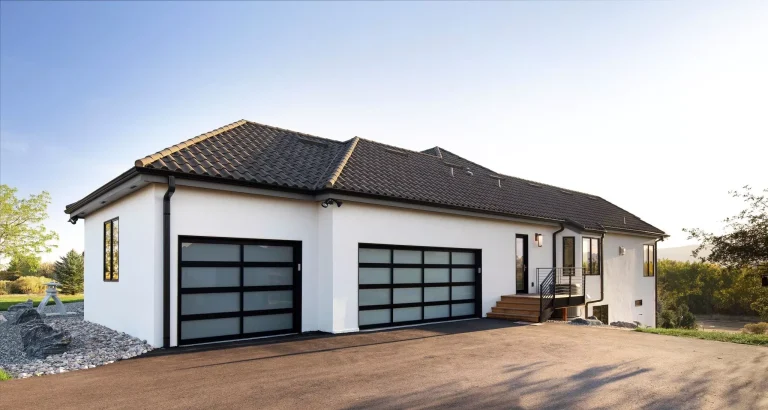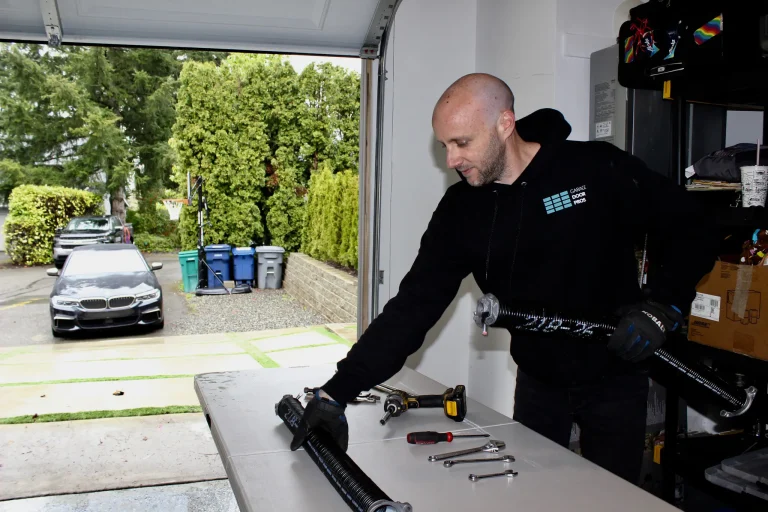

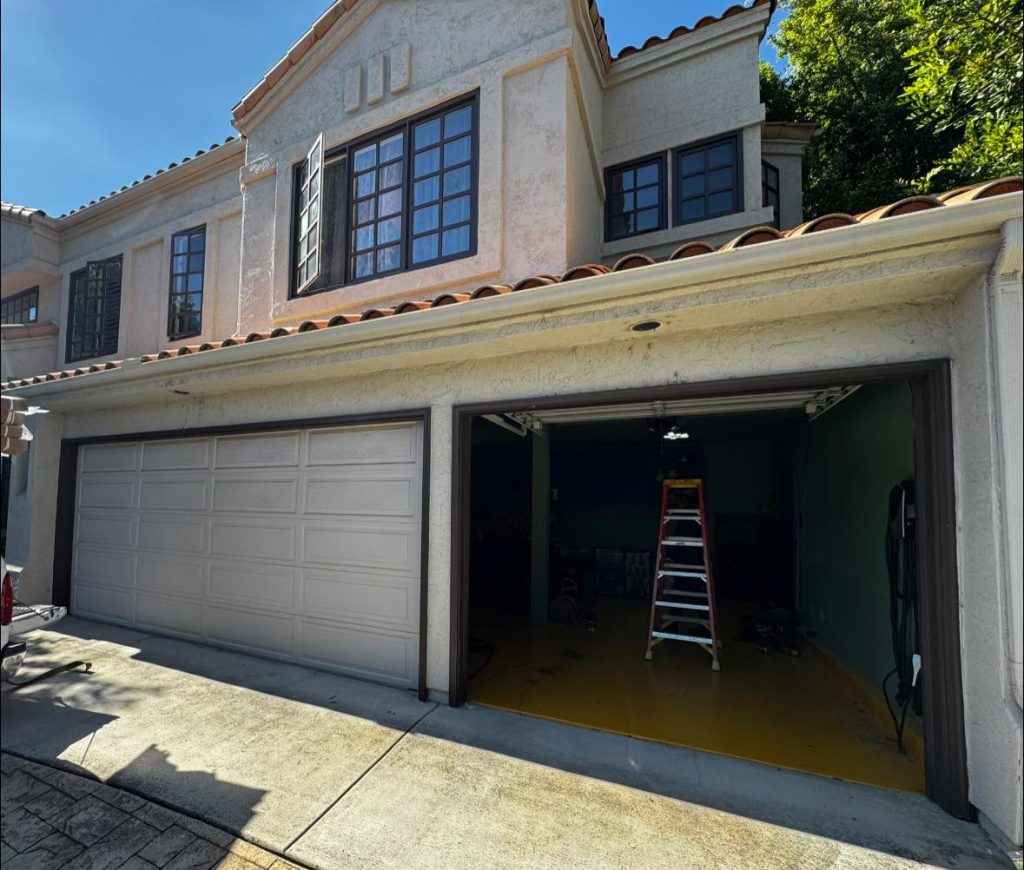
Selecting a new garage door often begins with visual preferences, since color, texture, and panel design immediately affect how a home looks from the street. Appearance matters, but focusing solely on style can mask practical factors that affect how the door performs day to day. Many important qualities stay unnoticed until months after installation, when daily use reveals strengths or weaknesses in design and construction.
Long-term performance depends on how materials, structure, and hardware work together under regular use. A garage door opens and closes thousands of times over its lifespan, which places repeated stress on every component. Understanding what lies beneath surface appearance helps explain why thoughtful selection goes beyond visual appeal alone.
Structural Design Plays a Major Role in Long-Term Performance
Structural design determines how well a door handles weight, movement, and stress over time. While style draws attention, structure supports everything that happens after installation. A visually appealing door may still struggle if the internal framework lacks proper strength.
Performance issues often develop gradually, making it difficult to connect them back to early design decisions. Structural considerations shape reliability long after the excitement of installation fades.
Find out what homeowners begin to notice after installing a new garage door, from quieter operation to improved reliability, by reading: What Homeowners Begin to Notice After Installing a New Garage Door.
Internal Framing Strength Affects Daily Operation
Internal framing supports panels during movement and helps distribute weight evenly across the door system. Weak framing increases strain on hinges, tracks, and lifting hardware.
- Reinforced steel framing improves resistance to twisting during movement
- Thicker panel backing supports better weight distribution
- Rigid construction reduces vibration during opening and closing
- Strong internal supports help maintain alignment over time
These elements reduce long-term wear by preventing stress from concentrating in one area. When internal framing remains stable, the door moves smoothly and maintains consistent performance.
Learn how a new garage door supports long-term reliability while delivering smoother, more consistent daily performance by reading: How Installing a New Garage Door Improves Long-Term Reliability and Daily Performance.
Panel Construction Influences Durability
Panel construction affects how the door responds to temperature changes and repeated use. Thin or poorly supported panels may flex during movement.
- Multi-layer panels resist bending during operation
- Insulated cores add strength as well as thermal benefits
- Secure panel connections prevent separation under stress
Durable panel construction supports both appearance and performance, ensuring the door maintains its shape and alignment longer.
Explore when replacing an aging garage door becomes the more practical and cost-effective choice compared to continuing repairs by reading: When Replacing an Aging Garage Door Becomes More Practical Than Continuing Repairs.
Material Choices Affect More Than Appearance
Material selection influences durability, maintenance needs, and long-term reliability. While certain finishes may look attractive, materials behave differently under daily stress and changing weather conditions.
Over time, material quality becomes more noticeable than visual design. Understanding how materials age helps explain why appearance alone should not guide selection.
How Materials Respond to Daily Wear
Different materials handle friction, moisture, and impact in unique ways. Daily use magnifies these differences.
- Steel resists warping and maintains shape under frequent movement
- Composite materials balance strength with reduced weight
- Wood offers visual appeal but requires careful maintenance
Material behavior affects how often adjustments or garage door repairs become necessary. Durable materials reduce service needs over time.
Maintenance Requirements Vary By Material Type
Maintenance expectations differ depending on the chosen material. Some materials require regular attention to preserve performance.
- Wood needs protection from moisture and temperature changes
- Steel benefits from protective coatings against corrosion
- Composite materials often require less frequent care
Choosing materials with manageable maintenance needs supports consistent operation and reduces unexpected upkeep.
Balance And Weight Distribution Matter More Than Design Trends
Balance determines how smoothly a door opens and closes. While design trends influence appearance, balance affects daily reliability and safety.
Weight distribution depends on door size, material, and internal construction. Imbalance places strain on hardware and shortens system lifespan.
Why Proper Weight Balance Supports Reliability
Balanced doors reduce stress on springs and lifting systems. A proper balance allows components to operate within their intended ranges.
- Even weight distribution prevents sudden drops during movement
- Balanced systems reduce motor strain during operation
- Proper balance supports consistent opening speeds
Reliable balance reduces mechanical fatigue and helps maintain predictable operation.
The Impact Of Heavy Design Elements
Decorative elements can add weight, affecting performance. Without proper design compensation, added weight causes strain.
- Oversized panels increase lifting demands
- Decorative hardware adds localized stress
- Window inserts change the weight distribution
Understanding how design choices affect balance ensures visual features do not compromise performance.
Hardware Quality Often Gets Overlooked
Hardware supports every movement of the garage door system. Hinges, rollers, tracks, and fasteners must handle repeated stress reliably.
Style choices rarely reveal hardware quality, yet hardware determines how long the system remains dependable.
Roller And Track Construction Influence Smoothness
Rollers and tracks guide movement and absorb friction. Their quality affects noise levels and ease of operation.
- Steel rollers offer durability for frequent use
- Nylon rollers reduce noise and vibration
- Heavy-duty tracks resist bending and misalignment
Reliable hardware improves daily performance and reduces wear on surrounding components.

Fasteners And Brackets Affect System Stability
Mounting hardware anchors the system to the structure. Poor-quality fasteners loosen over time.
- Reinforced brackets prevent movement during operation
- Proper fasteners resist vibration loosening
- Secure mounting preserves alignment
Stable hardware supports long-term reliability by maintaining consistent positioning.
Insulation And Energy Performance Go Beyond Comfort
Insulation influences energy efficiency and component protection. While insulation often improves comfort, it also supports mechanical stability.
Temperature changes affect materials and movement. Insulated doors help reduce extreme shifts.
Insulation Helps Control Temperature Effects
Temperature swings cause expansion and contraction. Insulation moderates these effects.
- Reduced thermal stress on panels
- More stable internal components
- Improved consistency during seasonal changes
Stable temperatures support smoother operation and longer component life.
Insulation Adds Structural Support
Insulated doors often feature layered construction that improves rigidity.
- Added core strength to resist flexing
- Improved panel stability under load
- Enhanced durability during frequent use
Insulation benefits extend beyond comfort into structural reliability.
Safety Features Depend On More Than Looks
Safety systems rely on alignment, balance, and consistent movement. Visual design does not indicate how well safety features perform.
Proper integration ensures safety systems respond reliably over time.
Alignment Supports Reliable Safety Response
Safety sensors depend on consistent door travel. Misalignment affects response accuracy.
- Stable tracks support predictable sensor behavior
- Balanced movement ensures consistent stopping points
- Reduced vibration prevents sensor misalignment
Reliable safety performance protects users and property during daily operation.
Structural Integrity Supports Safety Systems
Strong construction helps safety features function as designed.
- Secure panels reduce unexpected movement
- Stable framing maintains consistent sensor positions
- Reliable hardware supports accurate system response
Safety depends on the underlying construction rather than appearance alone.
New Garage Door Style Should Support Practical Performance
A new garage door style should enhance performance rather than compromise it. Design decisions influence how well the system handles daily use.
Style and function work best together when design supports mechanical needs.
Choosing Style Without Sacrificing Strength
Visual elements should align with performance requirements and residential code provisions.
- Panel designs that distribute weight evenly
- Window placement that preserves balance
- Decorative elements designed with structural support
Thoughtful style choices support both appearance and reliability.
Long-Term Appearance Depends On Performance
Appearance lasts longer when performance remains stable.
- Even movement preserves finish quality
- Proper alignment prevents visible gaps
- Stable operation reduces cosmetic wear
Durable performance protects visual appeal over time.
Professional Evaluation Supports Informed Selection
Professional evaluation considers factors beyond appearance. Experience reveals how different designs perform over time.
Evaluation focuses on system compatibility rather than trends.
Matching Design To Usage Patterns
Usage frequency influences appropriate design choices.
- Frequent use requires stronger materials
- Heavier doors need enhanced balance systems
- Larger openings demand reinforced construction
Matching design to usage supports consistent performance.
Preventing Future Issues Through Evaluation
The evaluation identifies potential challenges that may arise before installation.
- Assessing structural support requirements
- Identifying balance considerations
- Planning for maintenance needs
Informed selection reduces the need for future adjustments and repairs.
Supporting Long-Term Reliability Through Service-Oriented Choices
Service-oriented choices focus on how the system will perform over the years rather than on its initial appearance. Reliability grows from balanced design, durable materials, and thoughtful construction.
Ongoing service preserves these qualities by monitoring performance and addressing minor changes early. When design decisions align with service needs, long-term reliability is easier to maintain.
Garage Door Pros offers comprehensive garage door services focused on performance, affordability, and safety. Every service is approached with integrity, ensuring clear advice and dependable results. Quality installations and repairs help protect property while delivering lasting value.
Contact us today or give us a call to schedule expert garage door service.