

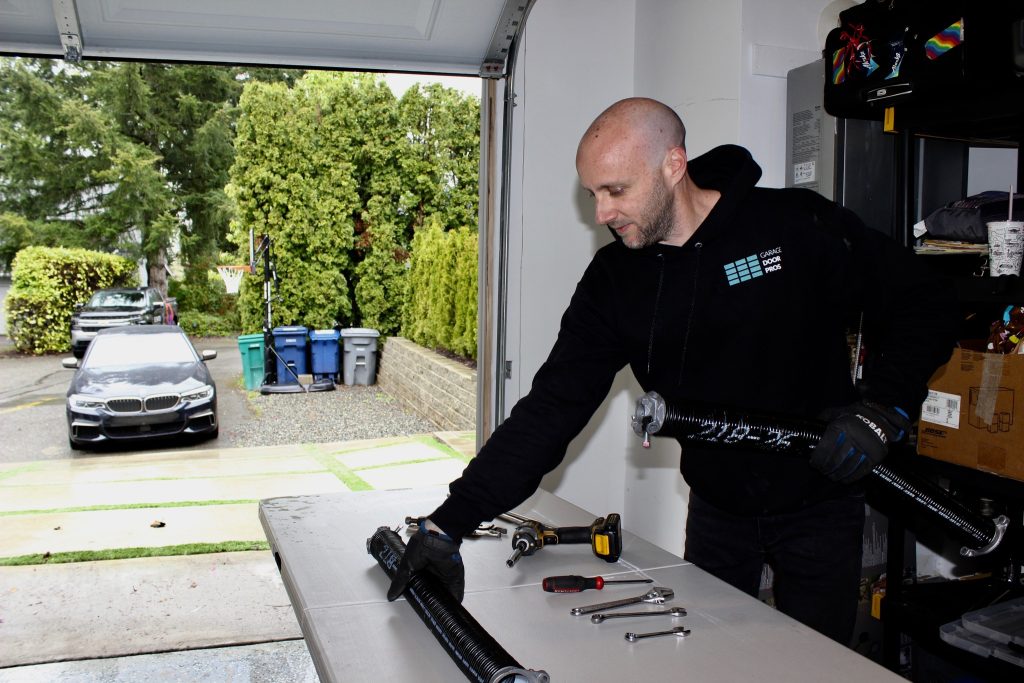
Installing a new garage door often changes how a home functions in ways that extend beyond appearance or initial convenience. Daily operation, mechanical consistency, and system balance begin to reveal themselves through repeated use over weeks and months. These patterns show how installation quality and component compatibility influence reliability over time, rather than immediately after installation.
Daily performance improvements often become clearer as routines settle and seasonal conditions change. Movement smoothness, sound levels, and response consistency highlight how a properly completed new garage door installation supports long-term dependability. The sections below examine the factors behind those outcomes, from structural design and material selection through hardware quality, insulation, and ongoing service, and explain why performance gains continue well beyond the first few days of use.
Structural Stability and System Balance Improvements
A major reliability improvement comes from how a newly installed system distributes weight and manages structural forces. Proper alignment and mounting create a stable foundation that reduces uneven stress across moving components. Over time, this balance helps the system maintain consistent performance even under frequent daily use.
Structural stability also influences how well the system resists gradual shifts caused by temperature changes, humidity, and normal wear. When installation supports balanced movement, reliability improves naturally without constant adjustment or corrective service. A visually appealing door may still struggle if the internal framework lacks the strength to support what happens after installation.
Find out what homeowners start to notice after installing a new garage door, from smoother operation to improved reliability, by reading: What Homeowners Begin to Notice After Installing a New Garage Door.
Improved Weight Distribution Across Moving Components
Balanced weight distribution affects every cycle of operation, especially during opening and closing movements. Proper setup ensures that no single component absorbs excessive strain.
- Even load sharing between springs and lifting mechanisms
- Reduced strain on hinges and rollers during movement
- Stable mounting that prevents gradual misalignment
- Consistent force distribution from start to finish
These characteristics allow components to wear evenly rather than failing prematurely. Over time, even weight distribution supports predictable performance without sudden changes in operational behavior.
Internal Framing Strength Affects Daily Operation
Internal framing supports panels during movement and helps distribute weight evenly across the door system. Weak framing increases strain on hinges, tracks, and lifting hardware.
- Reinforced steel framing improves resistance to twisting during movement
- Thicker panel backing supports better weight distribution
- Rigid construction reduces vibration during opening and closing
- Strong internal supports help maintain alignment over time
These elements reduce long-term wear by preventing stress from concentrating in one area. When internal framing remains stable, the door moves smoothly and holds consistent performance through thousands of cycles.
Learn when replacing an aging garage door becomes the smarter option compared to continuing frequent or costly repairs by reading: When Replacing an Aging Garage Door Becomes More Practical Than Continuing Repairs.
Reduced Structural Flex and Mounting Stress
Mounting quality directly affects how forces transfer into the surrounding framing. Strong anchoring reduces vibration and movement during operation.
- Secure attachment points that resist loosening
- Reduced flex during full travel cycles
- Lower risk of fastener fatigue
- Improved long-term alignment retention
Lower structural stress protects both the system and the surrounding structure, supporting reliability throughout the system’s lifespan.
The Impact of Heavy Design Elements
Decorative features add weight, and that weight changes how the system performs. Without design compensation, the additional load creates strain that appears months later as uneven movement or accelerated hardware wear.
- Oversized panels increase lifting demands
- Decorative hardware adds localized stress
- Window inserts change weight distribution
Understanding how design choices affect balance ensures visual features do not compromise performance.
Panel Construction and Material Quality Influence Durability
Material selection influences durability, maintenance needs, and long-term reliability. While certain finishes look attractive on installation day, materials behave differently under daily stress and changing weather conditions.
Over time, material quality becomes more noticeable than visual design. Understanding how construction and materials age explains why appearance alone should not guide selection.
How Panel Construction Affects Durability
Panel construction determines how the door responds to temperature changes and repeated use. Thin or poorly supported panels flex during movement, and that flex transfers into the hardware.
- Multi-layer panels resist bending during operation
- Insulated cores add strength as well as thermal benefits
- Secure panel connections prevent separation under stress
Durable panel construction supports both appearance and performance, helping the door hold its shape and alignment longer.
How Materials Respond to Daily Wear
Different materials handle friction, moisture, and impact in unique ways. Daily use magnifies these differences.
- Steel resists warping and maintains shape under frequent movement
- Composite materials balance strength with reduced weight
- Wood offers visual appeal but requires careful maintenance
Material behavior affects how often adjustments or garage door repairs become necessary. Durable materials reduce service needs over time.
Maintenance Requirements Vary by Material Type
Maintenance expectations differ depending on the chosen material. Some materials require regular attention to preserve performance.
- Wood needs protection from moisture and temperature changes
- Steel benefits from protective coatings against corrosion
- Composite materials often require less frequent care
Choosing materials with manageable maintenance needs supports consistent operation and reduces unexpected upkeep.
Smoother Daily Operation and Motion Consistency
Daily performance improvements often appear through smoother movement patterns. Consistency during operation reflects correct alignment and calibration during installation. Smooth motion reduces internal friction, enabling quieter, more predictable use.
Motion consistency also reduces the likelihood of sudden resistance or hesitation. These improvements help maintain long-term reliability by minimizing unnecessary mechanical strain.
Consistent Opening and Closing Movement
Consistent movement reduces internal stress and improves user experience. Proper installation supports uniform motion across every cycle.
- Steady speed without sudden acceleration or slowdown
- Predictable stopping points at open and closed positions
- Reduced vibration during travel
- Improved response to control inputs
Consistency prevents components from compensating for imbalance, supporting a longer service life and lighter maintenance demands.
Lower Operating Noise Over Time
Noise reduction reflects smoother interaction between components rather than sound insulation alone. Quiet operation often signals reduced friction and proper spacing.
- Fewer grinding or scraping sounds
- Reduced rattling from hardware connections
- Quieter roller travel along tracks
- More stable engagement during movement
Roller choice contributes here as well: steel rollers offer durability for frequent use, while nylon rollers reduce noise and vibration. Lower noise levels tend to persist when installation quality supports consistent alignment and balance.
Insulation and Energy Performance Go Beyond Comfort
Insulation influences energy efficiency and component protection. While insulation improves comfort, it also supports mechanical stability in ways that affect reliability.
Temperature changes affect materials and movement. Insulated doors help reduce the severity of those shifts.
Insulation Helps Control Temperature Effects
Temperature swings cause expansion and contraction across panels and hardware. Insulation moderates these effects.
- Reduced thermal stress on panels
- More stable internal components
- Improved consistency during seasonal changes
Stable temperatures support smoother operation and longer component life.
Insulation Adds Structural Support
Insulated doors typically feature layered construction that improves rigidity.
- Added core strength to resist flexing
- Improved panel stability under load
- Enhanced durability during frequent use
Insulation benefits extend beyond comfort into structural reliability.
Enhanced Reliability Through Proper Component Matching
Component compatibility plays a critical role in long-term performance. Installation decisions determine whether parts work together efficiently or create hidden strain. Correct matching improves reliability by preventing overuse of individual components.
Matching also affects how the system responds to varying loads, weather changes, and frequent daily cycles. Balanced systems adapt better to these conditions.
Hardware and System Compatibility Benefits
Compatibility ensures that components operate within intended ranges. Proper pairing supports efficient performance.
- Springs matched to door weight and size
- Rollers selected for track design and load requirements
- Heavy-duty tracks that resist bending and misalignment
- Hardware rated for expected usage cycles
- Mounting brackets aligned with structural supports
Compatible components reduce the risk of early wear and support consistent reliability over time. Style choices rarely reveal hardware quality, yet hardware determines how long the system stays dependable.
Reduced Need for Early Adjustments
Proper component matching significantly reduces the need for early corrective service, keeping systems stable longer when all parts function as intended.
- Fewer balance corrections required
- Reduced track alignment changes
- Lower frequency of hardware tightening
- More predictable garage door maintenance intervals
Reduced adjustments allow the system to maintain reliability without frequent intervention.
Improved Safety Performance During Daily Use
Safety features depend on precise calibration and alignment. Installation quality directly affects how consistently these features perform. Over time, reliable safety behavior builds confidence and reduces unexpected issues.
Safety improvements become noticeable as the system responds predictably to routine operation and unexpected obstacles. Visual design gives no indication of how well safety features will perform; the underlying construction does.
More Reliable Response to Obstructions
An accurate setup enables safety systems to respond consistently in real conditions. Proper calibration ensures dependable operation.
- Predictable reversal during contact detection
- Stable sensor alignment across seasonal changes
- Reduced false triggers or missed responses
- Consistent communication between components
Reliable safety responses reduce the likelihood of emergency situations requiring immediate service intervention.
Increased Confidence During Frequent Operation
Confidence grows as daily use confirms consistent behavior. Reliable performance reduces hesitation and concern.
- Smooth operation during repeated cycles
- Predictable response to controls
- Secure panels that reduce unexpected movement
- Stable performance under varied conditions
Confidence reflects long-term reliability supported by quality installation rather than short-term performance alone.
Long-Term Maintenance Predictability and Reduced Disruptions
Maintenance patterns change after proper installation. Predictable wear enables scheduled service rather than reactive repairs. Over time, this predictability supports system reliability and cost stability.
Maintenance planning becomes easier when the system behaves consistently. Observations guide timely care rather than emergency intervention.
Clearer Indicators for Routine Garage Door Maintenance
Stable systems provide clear signals when maintenance is needed. Predictable behavior simplifies oversight.
- Gradual changes rather than sudden failure
- Noticeable wear patterns during inspections
- Consistent lubrication intervals
- Reduced surprise malfunctions
Clear indicators allow maintenance to support reliability rather than respond to breakdowns.
Fewer Emergency Service Situations
Reduced emergency calls reflect stable system behavior, which matters because it lets homeowners rely on the door without constant concern about unexpected failure. Proper installation also minimizes the sudden issues that lead to costly repairs or safety problems.
- Lower risk of sudden alignment failure
- Reduced likelihood of unexpected stoppage
- Fewer urgent safety concerns
- More controlled service scheduling
Fewer emergency situations protect both the system and daily routines from disruption.
Visual and Functional Integration With the Home
Performance improvements also include how the system integrates visually and functionally. Proper installation supports a consistent appearance alongside reliable movement. Visual alignment often mirrors mechanical alignment.
Integration affects how the system ages and holds its appearance over time. Stable alignment preserves both function and aesthetics.
Consistent Panel Alignment Over Time
Panel alignment affects appearance and performance. Proper installation maintains uniform spacing.
- Even gaps between panels
- Straight alignment when closed
- Consistent contact with weather seals
- Balanced visual presentation
Consistent alignment reduces twisting forces that contribute to mechanical wear. Appearance also lasts longer when performance stays stable, since even movement preserves finish quality and proper alignment prevents visible gaps.
Improved Seal Performance and Environmental Control
Seals perform best when supported by accurate alignment. Environmental control improves reliability.
- Reduced air leakage during weather changes
- Improved moisture resistance
- More stable interior temperatures
- Reduced debris intrusion
Effective sealing protects internal components and supports long-term system health.
Choosing Style Without Sacrificing Strength
Visual elements should align with performance requirements and residential code provisions.
- Panel designs that distribute weight evenly
- Window placement that preserves balance
- Decorative elements designed with structural support
Style and function work best together when design supports mechanical needs rather than competing with them.
Ongoing Professional Oversight and System Reliability
Long-term reliability depends on continued evaluation and informed service decisions. Observations made during daily use guide professional oversight. Consistent evaluation supports system-level thinking rather than isolated fixes.
Professional assessment focuses on maintaining balance, alignment, and component condition. This approach preserves reliability throughout the system’s lifespan.
Matching Design to Usage Patterns
Usage frequency influences which design choices make sense. A door cycling several times a day places different demands on hardware than one used occasionally.
- Frequent use requires stronger materials
- Heavier doors need enhanced balance systems
- Larger openings demand reinforced construction
Matching design to usage supports consistent performance and reduces the adjustments needed later.
Structured Service Evaluation Practices
Professional oversight emphasizes evaluation rather than reactive correction. System-wide assessment supports reliability.
- Inspection of wear patterns across components
- Verification of balance and alignment
- Assessment of safety feature consistency
- Monitoring of hardware stability
Structured evaluation helps maintain performance without unnecessary replacement or disruption.
Sustaining Performance Through Informed Service
Informed service supports long-term reliability by addressing early indicators. Professional evaluation complements daily observation.
- Timely adjustments based on usage patterns
- Preventive care guided by system behavior
- Reduced likelihood of sudden failure
- Preservation of consistent daily performance
Sustained reliability reflects ongoing care aligned with system needs rather than short-term fixes.
Service-Centered Reliability Through Proper Installation
Reliability and daily performance improvements emerge gradually as installation quality supports balanced movement, predictable behavior, and stable component interaction. Professional service focused on evaluation, calibration, and routine oversight preserves these benefits over time. When installation decisions align with system requirements and ongoing care remains consistent, long-term reliability becomes a natural outcome of informed service rather than a response to repeated issues.
Garage Door Pros provides dependable garage door repair and installation services designed to support security and smooth operation. Each project is handled with integrity, clear communication, and attention to detail. Quality workmanship and fair pricing ensure lasting value without surprises.
Contact us today or give us a call to book professional garage door service in Kirkland.
Frequently Asked Questions
How does installing a new garage door improve long-term reliability?
Installing a new garage door resets the entire system with properly matched, unworn components. We often see that fresh hardware, springs, and tracks work together without compensating for past damage or imbalance. This creates a more stable system that is less prone to unexpected failures over time.
Why does door material matter as much as style when choosing a new garage door?
Material determines how the door holds up under friction, moisture, and thousands of movement cycles, while style only affects how it looks from the street. Steel resists warping and keeps its shape under frequent use, composites balance strength against weight, and wood delivers appearance at the cost of ongoing upkeep. The finish you choose fades in importance next to how the material ages.
How does panel construction affect long-term durability?
Panel construction controls how much the door flexes during movement, and that flex transfers directly into hinges, rollers, and tracks. Multi-layer panels resist bending, insulated cores add rigidity along with thermal benefit, and secure connections keep panels from separating under stress. Thin or poorly supported panels look identical on installation day but lose alignment much sooner.
Why does door weight and balance matter more than many homeowners realize?
Balance decides whether the springs and opener work inside their intended range or fight the door on every cycle. Even weight distribution prevents sudden drops, reduces motor strain, and keeps opening speeds consistent. Imbalance rarely announces itself early; it shows up later as premature spring fatigue or hardware wear concentrated in one spot.
How does insulation influence more than just energy efficiency?
Insulation moderates the expansion and contraction that temperature swings cause in panels and hardware, which keeps components more dimensionally stable through seasonal changes. Insulated doors also use layered construction that adds core strength and resists flexing under load. The result is smoother operation and longer component life, not only a warmer garage.
Why is hardware quality as important as the door itself?
Hardware absorbs every movement the system makes, so hinges, rollers, tracks, and fasteners set the practical limit on how long the door stays dependable. Steel rollers handle frequent use, nylon rollers cut noise and vibration, heavy-duty tracks resist bending, and reinforced brackets hold position against vibration loosening. None of this is visible in a style catalog, which is why it gets overlooked.
Why does a new garage door feel quieter during operation?
Quieter operation usually reflects reduced friction rather than added sound insulation. Correct spacing, fresh rollers, and accurate track alignment eliminate the grinding, scraping, and rattling that develop as an older system loses alignment. We find that when installation supports consistent balance, the lower noise level holds up over years rather than fading after a few months.
How does a new garage door improve opener performance?
A balanced door lets the opener do only the work it was designed for, since properly tensioned springs carry most of the door’s weight. That reduces motor strain, supports consistent travel speed, and helps the opener reach its expected service life. Pairing the opener to the door’s actual weight and size at installation prevents the hidden overwork that shortens it.
Why does replacing an older door improve safety long-term?
Safety systems depend on alignment, balance, and repeatable travel rather than on any single feature. Stable tracks support predictable sensor behavior, balanced movement produces consistent stopping points, and reduced vibration keeps sensors from drifting out of position. Strong construction and secure panels give those systems the steady conditions they need to respond accurately.
How does usage frequency factor into choosing the right door?
A door that cycles several times a day accumulates wear far faster than one used occasionally, so usage frequency should shape material and hardware decisions from the start. Frequent use calls for stronger materials, heavier doors need enhanced balance systems, and larger openings require reinforced construction. Matching the specification to actual usage prevents the early adjustments that come from underbuilding.


