

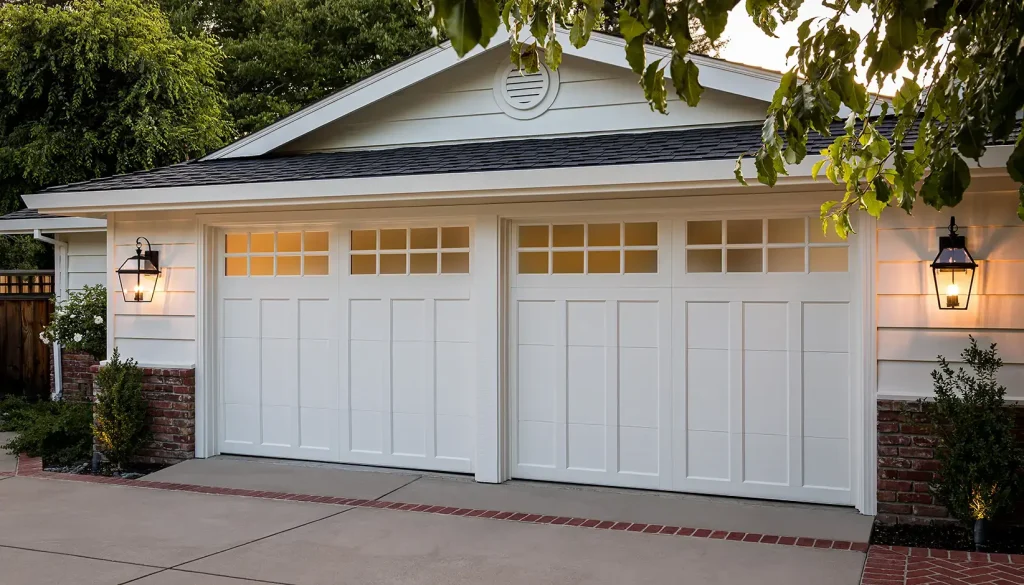
Swapping out an old, sagging door for a fresh one is one of the smartest upgrades a homeowner can make. It lifts curb appeal, trims energy loss, and makes the whole house feel newer. Still, before the old panels come down, one question stops many Kirkland homeowners in their tracks: is a permit needed to replace a garage door?
The honest answer is “it depends.” A simple garage door repair or routine garage door maintenance rarely raises the question, but a full replacement is a bigger step with a few more rules attached. The good news is that those rules are easier to follow than most people expect once they are broken down step by step.
This guide covers all of it in plain language: when a permit is required, when it is not, how to tell that a door has reached the end of its life, which materials survive a wet Pacific Northwest winter, and what a replacement actually costs.
Quick Answer: In most cases, a simple like-for-like swap to replace a garage door in Kirkland, WA does not require a building permit. A permit is usually needed when the work changes the size of the opening, adds or moves structural headers, or involves new electrical wiring for an opener. Always confirm current rules with the City of Kirkland Development Services before starting.
The Short Answer: Do You Need a Permit?
For a basic garage door replacement where the new door is the same size as the old one and the framing stays untouched, a permit is often not required in Kirkland. This type of work is treated as regular maintenance.
The picture changes fast when the project goes beyond a simple swap. Widening the opening, changing the height, or rewiring an opener can turn a quick weekend job into permitted work. Because Kirkland follows the Washington State Building Code, the safest move is to call the city’s building division and describe the exact scope before any garage door installation begins.
When a Permit Is Usually Required in Kirkland, WA
Certain projects almost always trigger a permit. Knowing them early saves stress later. A permit is commonly needed when the job includes:
- Changing the opening size. Making the door wider or taller means cutting into framing, and that counts as structural work.
- Replacing or adding a header. The header carries the weight above the door. Any change to it needs inspection.
- New electrical work. Running a fresh circuit for a garage door opener is electrical work that usually requires a permit.
- Converting the garage. Turning a garage into a living space during a new garage door installation brings in extra rules for insulation, egress, and wiring.
If a project touches any of these, a permit protects the homeowner and keeps the work legal.
Curious how much time these bigger projects add? The article “How Long Does It Take to Replace a Garage Door?“ lays out realistic timelines for every type of job.
When a Permit Is Usually NOT Needed
Plenty of projects stay simple. A permit is typically not required to replace a garage door when:
- The new door is the same width and height as the old one.
- The framing and header are not touched.
- No new electrical lines are added.
- The work is a straight garage door replacement, panel for panel.
This is why a standard garage door upgrade, where an old door is swapped for a matching new garage door, often moves ahead without paperwork. Even so, a quick call to the city removes all doubt.
Why Permits Matter More Than People Think
Skipping a needed permit can feel like a shortcut, but it can create real headaches. Permits exist for good reasons.
First, safety. Garage doors are the largest moving part of most homes, and heavy springs are under serious tension. Inspections confirm the work meets code so nobody gets hurt.
Second, resale value. Unpermitted work often shows up during a home sale. Buyers and inspectors ask questions, and unpermitted changes can delay or even sink a deal.
Third, insurance. If a claim is ever filed and the work was not permitted, coverage can get complicated. A properly permitted garage door installation keeps records clean and gives future owners confidence.
How the Kirkland Permit Process Works
When a permit is required, the process in Kirkland is fairly clear. A licensed contractor usually handles most of it. The general steps look like this:
- Submit an application to the City of Kirkland with project details.
- Wait for review so the city can check the plans against code.
- Receive the permit once the plans pass.
- Complete the work, following the approved scope.
- Pass inspection, where a city inspector confirms everything is safe and correct.
A seasoned local installer knows this rhythm well and can keep a garage door replacement on track without surprises.
What to Check Before You Replace a Garage Door
A little homework prevents big problems, and none of it requires special tools. Before booking any garage door installation, run through this list:
- Measure the opening. Note the rough width and height so quotes stay accurate, and confirm whether the plan keeps the size the same.
- Inspect the header and framing. Rot or damage may need attention before a new door goes in, and Kirkland’s damp climate is tough on wood.
- Check the power source. A working outlet near the opener saves time on installation day. New wiring may mean a permit.
- Clear the space. Moving cars, bikes, and storage bins out of the way lets the crew work safely and quickly.
- Confirm contractor registration. Any contractor should be registered with Washington State Labor & Industries.
- Review HOA rules. Some managed communities have design guidelines that affect color and style, even for modern garage doors.
- Get the details in writing. Material, color, insulation level, and warranty should all be spelled out before work begins.
Warning Signs It Is Time to Replace a Garage Door
Knowing when to replace a garage door helps homeowners act before a small issue becomes a costly one. These are the signs worth taking seriously.
- The door is past its prime. Most garage doors last 15 to 30 years depending on material and care. Wood wears out faster in wet climates, while steel and aluminum hold up longer. Past the 20-year mark, problems start stacking up. Look for a manufacturer date on the inside panel or motor unit.
- Repair bills keep piling up. One repair now and then is normal. When the same door needs fixing every few months, the costs add up fast. A useful rule of thumb: if a repair runs about half the price of a new door, replacing it is often the smarter move. Keep a simple record of every repair and its date.
- Loud grinding, scraping, or banging. A healthy door runs fairly quietly. Harsh noises usually point to worn rollers, loose hardware, or failing springs. Metal parts also contract in the cold, so an aging door tends to complain loudly on the first frosty mornings.
- Sagging, warped, or cracked panels. Damp weather swells wood and rusts steel. Sagging sections and gaps are more than cosmetic: they let moisture, cold air, and pests inside, and they throw off the door’s balance, straining the opener and springs. Step back and look at the door from the driveway. Straight, even panels are a good sign.
- Rising energy bills and poor insulation. An attached garage shares walls and air with the rest of the home. Worn weatherstripping and thin panels let cold air slip in and push heating bills up. Stand inside on a cold day and feel for drafts around the edges, or look for daylight through gaps.
- Old or broken safety features. Doors made after the early 1990s should have photo-eye sensors that stop the door if something is in the way. If the sensors fail, or the door does not reverse when it meets an object, the system is no longer safe. Test the auto-reverse feature monthly with a sturdy object in the door’s path.
- Slow, jerky, or stuck movement. A door that hesitates or stops partway is signaling worn tracks, tired springs, or a struggling opener. Left alone, these problems get worse until the door refuses to open at all, trapping a car inside or out.
- Fading curb appeal. A garage door often covers a large part of a home’s front. A faded, dented, or dated door drags down the look of the whole property, and a new door is consistently ranked among the highest-return home improvements.
- Storm damage or a break-in. Wind, falling branches, and forced entry can leave a door bent or off its tracks. Even if it still moves, hidden damage to the frame or springs can make it unsafe. Inspect tracks, panels, and locks after any incident.
- The door no longer fits how the space is used. A garage that has become a workshop, a home gym, or a spot for a taller vehicle may need different size, insulation, or features than the original door offered.
A door that will not seal at the bottom belongs on this list too. Water pooling inside the garage is common through a Kirkland winter, and a failing seal makes it worse. Spotting several of these signs at once is a strong hint that replacement beats another repair.
Does the Season Matter? Replacing a Garage Door in Winter
Winter does not shut the door on a replacement. Professional installers work through the cold months every year, and Kirkland’s mild, wet climate is far friendlier for this kind of project than the deep-freeze conditions crews handle in places like Minnesota or Montana.
Weather still matters. Rain, low temperatures, and shorter daylight hours can slow an installation and affect certain materials. A few issues show up more often in the cold:
- Lubricant thickening. Grease and oil stiffen at low temperatures, which can make parts feel sluggish at first. Reputable installers use products rated for cold weather.
- Slower curing. Some sealants and adhesives set more slowly when it is cold and damp, so a good crew plans the schedule around it.
- Weather delays. Heavy rain can push a job back a day. Flexibility in the calendar keeps stress low.
- Rushed sealing. A poorly sealed bottom leads straight to water in the garage. This is worth confirming is done right rather than fast.
Winter itself rarely changes the price much here. Some local companies see slower demand in the colder months, which can occasionally work in a homeowner’s favor. If the current door is barely hanging on, waiting until spring means months of cold air, rain, higher bills, and a security risk from a door that will not close fully. If the door still works and the issues are minor, waiting for a dry stretch is perfectly reasonable.
Materials That Hold Up Best in Wet Pacific Northwest Winters
Not every door survives a Kirkland winter equally well, so material choice is one of the most important parts of any replacement.
- Steel resists moisture well, needs little upkeep, and pairs nicely with insulation for colder months. It is the most popular pick locally.
- Aluminum with glass gives a sleek look and shrugs off rust, though it insulates less on its own.
- Composite and quality faux-wood deliver the warm look of timber without the rot risk that plagues real wood in a wet region.
- Real wood can be stunning and is a favorite for custom garage doors, but it demands regular sealing and care to stand up to Pacific Northwest rain.
Insulated models are rated by R-value, and a higher number means better protection against the cold. Insulation also cuts down on noise, which is a welcome bonus on early winter mornings and in garages that share a wall with a bedroom or office.
Choosing the Right New Garage Door
Picking a new garage door is where the fun begins. Style, material, and insulation all shape the final look and feel.
For homeowners chasing curb appeal, modern garage doors with clean lines, glass panels, and sleek hardware are popular right now, and they pair well with newer Kirkland builds. For older or high-end homes, custom garage doors let owners match exact colors, wood grains, and window layouts. Custom builds cost more but deliver a one-of-a-kind look that mass-market panels cannot match.
Insulated options are worth a close look for any garage that doubles as a workshop or gym. A thoughtful upgrade blends the right style with the right insulation for the home, and a well-chosen door can raise resale value on top of that.
Understanding Garage Door Replacement Cost
Budget matters, so it helps to know what drives the final number. Garage door replacement cost depends on several things:
- Door size. A standard single door costs less than an oversized or double door.
- Material and style. Basic steel sits at the lower end of the range, while premium wood and custom builds land higher.
- Insulation. Insulated models cost more upfront but pay back in comfort and energy savings.
- Hardware and openers. A new smart opener or upgraded tracks adds to the total.
- Labor and site conditions. Framing repairs or tricky access can raise the price.
Labor for a professional installation is usually its own line on the quote, and it is money well spent for safety and warranty protection. Prices also shift with local demand and the type of home.
It helps to think of the cost as long-term value rather than a one-time expense. A well-insulated door lowers heating bills, needs fewer repairs, and adds to home value. Getting two or three written quotes is the best way to understand the real number for a specific Kirkland home, since access and door type can swing it either way.
How to Make a Garage Door Last Longer
Good habits keep a door running well for years and push back the day a replacement is needed.
Keep the moving parts clean and lightly lubricated so rollers and hinges glide smoothly. Check the weatherstripping each season and replace it when it cracks, since good seals matter most in a rainy climate. Watch for rust on metal parts and treat it early before it spreads. Wipe down the door a few times a year and clear away leaves and debris that trap moisture against the surface. Test the auto-reverse safety feature monthly, and schedule a yearly professional inspection to catch small issues before they grow.
None of this replaces the skill of a trained technician, but it does help a door stay reliable. When the time does come for a new installation, these same habits help the new door last even longer.
Smart Tips to Avoid Permit Problems
A few simple habits keep a project smooth and permit-safe.
- Call the city first. A short call to Kirkland’s building division answers the permit question before work starts.
- Keep the opening the same size when possible, since same-size swaps rarely need a permit.
- Hire a registered contractor. A licensed pro pulls permits correctly and knows local code.
- Save all paperwork. Permits, receipts, and inspection records help at resale time.
- Do not attempt spring work alone. Garage door springs are dangerous, so this is a task for trained hands.
Why a Licensed Local Pro Matters
Garage doors combine heavy hardware, high-tension springs, and sometimes electrical work. That mix is why a licensed, insured, and locally experienced technician is the safest choice for any installation. A Kirkland pro understands the region’s permit rules, weather challenges, and common home styles. A rushed do-it-yourself swap in cold, wet conditions tends to create more problems than it solves, especially around the spring system.
A few things separate a trustworthy local installer from the rest:
- Local experience in Kirkland and the greater Eastside, including permit basics.
- Clear, written estimates covering scope, materials, and cost.
- Recent, detailed reviews from nearby homeowners.
- Strong warranties on both the door and the labor.
- Licensing and insurance, including registration with Washington State Labor & Industries.
Making the Right Call on Your Garage Door Project
So, does a Kirkland homeowner need a permit to replace a garage door? Usually not for a simple same-size swap, but often yes when the opening changes or new wiring is added. The smartest first step is a quick call to the City of Kirkland to confirm the rules, followed by a chat with a licensed local installer.
A fresh door does more than look good. The right upgrade adds safety, comfort, and value for years to come. Keep in mind that even a brand-new door still benefits from regular care down the road, whether that means a minor garage door spring repair or a garage door drum repair after years of use.
Ready to Get Started?
Kirkland homeowners looking for honest advice and quality workmanship can count on Garage Door Pros. The team brings local know-how, proper licensing, and a friendly approach to every garage door replacement, from a simple panel swap to a full custom upgrade. The crew also knows exactly how the Pacific Northwest climate affects a project, from choosing moisture-ready materials to sealing the job right the first time. Contact us today or give us a call to get expert guidance and a clear quote for your new garage door.
Frequently Asked Questions
Do you need a permit to replace a garage door in Kirkland, WA?
Usually not for a same-size, panel-for-panel swap. A permit is generally needed if the opening size changes, framing is altered, or new electrical work is added. Confirm with the City of Kirkland before starting.
Does replacing just the garage door panels require a permit?
Panel replacement on an existing door is normally treated as maintenance and does not require a permit, as long as the framing and opening stay the same. Once the work moves into the header or changes the opening, the answer changes.
When is a permit required for a garage door project?
Four situations trigger a permit most often: widening or heightening the opening, replacing or adding a structural header, running new electrical for an opener, and converting the garage into living space. Any of these calls for city review and inspection.
What happens if the work is done without a required permit?
Unpermitted work tends to surface at the worst time. Buyers and home inspectors flag it during a sale, which can delay or derail a deal, and insurance claims get complicated when the work was never inspected. Correcting it later usually costs more than permitting it upfront.
How do I know when to replace a garage door instead of repairing it?
Age, repeat repair bills, and safety are the deciding factors. If the door is past 20 years, needs fixing every few months, or a single repair runs about half the price of a new door, replacement is usually the better value. A licensed technician can give an honest read.
Can a garage door be replaced in winter in the Pacific Northwest?
Yes. Kirkland’s mild, rainy winters allow for a replacement on most days, as long as the crew works around wet weather. Cold-rated lubricants, slower curing times, and careful bottom sealing are the main things an experienced installer plans for.
What is the average garage door replacement cost?
There is no single figure, because size, material, insulation, windows, and opener choices all move the number. Standard single steel doors sit at the low end; wide double doors, premium wood, and custom builds sit well above it. Two or three written quotes give the clearest picture.
What is the best material for a new garage door in a wet climate?
Steel is the most common choice locally because it resists moisture, needs little upkeep, and insulates well. Composite and faux-wood give the look of timber without the rot risk. Real wood is beautiful but needs regular sealing to survive Pacific Northwest rain.
Can I install a new garage door myself?
It is not recommended. The spring system holds enough tension to cause serious injury, and a poorly sealed or misaligned door invites water damage and premature wear. A licensed installer also carries insurance and a warranty on the work.
Who should handle a garage door installation in Kirkland?
Look for a contractor registered with Washington State Labor & Industries who works regularly in Kirkland and the Eastside. Local experience matters for permit rules and climate-appropriate materials, and written estimates plus solid warranties are signs of a company worth hiring.


