

Choosing the best garage doors for your home is an important step when planning a garage door replacement. For homeowners in Kirkland, WA, the right door improves safety, boosts curb appeal, and makes daily life easier while adding lasting comfort and value to the property.
With many designs available, selecting the right one can feel overwhelming. Raised panel doors offer a classic look, insulated doors bring comfort and energy savings, and steel doors provide strength. Knowing these choices helps you decide which fits your style, needs, and budget.
This guide covers the styles and materials worth considering, then walks through how to prepare for the project and what happens on installation day. With the right choice and a little planning, your replacement will be smooth, practical, and add real beauty to your home.
Why Choosing the Best Garage Doors Matters
Finding the right garage doors matters for more than just appearance. A garage door influences home safety, energy savings, and overall look. This makes it one of the most essential features in any household.
A well-chosen garage door improves security, lowers energy bills, and adds beauty to the property. Homeowners should carefully consider style, material, and function to achieve the ideal balance of value and comfort.
For helpful background and history, the Garage Door Wikipedia page explains different types, how they operate, and design features. Learning these details makes choosing the right door easier and more practical for every homeowner.
Top Garage Door Styles for Homes
When choosing new doors, homeowners want options that look great, last a long time, and function well. Popular styles balance beauty with strength.
- Raised panel design: A timeless style that combines strength, charm, and dependable long-term use.
- Modern glass options: Enhance your home with natural light and style, creating a sleek, updated look.
- Steel garage doors: A durable, low-maintenance choice known for lasting strength and protection.
- Wooden doors: A classic material with warmth and curb appeal, but requiring more upkeep than steel or glass.
Types of Garage Doors and How They Operate
Style is only half the decision. Garage doors also differ in how they move, and that affects which one suits your garage. Ceiling height, driveway space, and how you use the garage all point toward different options.
- Sectional garage doors: Built with connected panels that move smoothly along tracks. The most common choice for homes, and easy to customize.
- Roll-up garage doors: A compact design that coils overhead, often used where ceiling space is limited or in storage and commercial settings.
- Tilt-up canopy doors: A single solid panel that swings outward and upward, needing clear space in front of the garage.
- Side-hinged doors: Traditional swing-open doors that give a classic appearance and are simple to operate and maintain.
Sectional doors suit most Kirkland homes, but a garage with low headroom or a short driveway may do better with a roll-up or side-hinged design. This is worth settling early, since it narrows your style and material options.
Materials That Work Best for Garage Doors
The material of your garage door determines its durability, cost, and long-term care. Each choice has unique advantages depending on your needs.
- Steel: Known for strength, low upkeep, and long-lasting protection against weather.
- Wood: Offers warmth and character but requires more frequent maintenance.
- Fiberglass: Lightweight, durable, and resistant to rust and dents while offering many styles.
- Aluminum: Good for modern designs and lightweight to operate, but more prone to denting.
Why Materials Matter for Replacement
Your choice of material affects a garage door’s appearance, function, and lifespan. A raised panel steel design may be best for durability, while wooden styles bring natural beauty and character. In the damp Pacific Northwest climate, materials that resist moisture and rust tend to hold up better over the years.
If your existing door dates from before 1978, painted surfaces may contain lead. The EPA’s Renovation, Repair and Painting Program sets the rules contractors follow when disturbing lead paint during work like this, which is one more reason to use a certified installer.
How Insulated Garage Doors Improve Comfort
Insulated garage doors are popular because they protect your home from heat, cold, and outside noise. They also help lower energy bills and improve comfort year-round, which matters most if your garage is attached or you use it as a workshop.
- Better temperature control: Keeps heat inside in winter and blocks hot air in summer.
- Noise reduction: Helps quiet street sounds for a more peaceful home and garage space.
- Energy efficiency: Reduces energy consumption and lowers heating and cooling costs.
- Stronger structure: Insulation stiffens the panels, making the door more durable and resistant to wear.
For more on how insulation works and where energy is lost in a home, the U.S. Department of Energy’s guidance on insulation and air sealing explains the principles behind these savings.
Garage Door Openers That Add Convenience
A new garage door is only as effective as the opener that powers it. Modern openers offer smooth operation, enhanced safety features, and intelligent technology that simplify everyday life.
- Quiet operation: Belt-drive models run smoothly without disturbing noise, even at night.
- Smart connections: Wi-Fi features let you open and close doors with a phone app.
- Safety sensors: The door reverses if something blocks its path, keeping children and pets safe.
- Long-lasting motors: Reliable technology that delivers dependable performance for many years.
You can compare current models on our LiftMaster openers page. Replacing the opener at the same time as the door is usually simpler and cheaper than doing it later as a separate visit.
Improving Curb Appeal with Garage Door Choices
Garage doors cover a large part of the home’s front, which means they play a huge role in curb appeal. Choosing the right design can make your home stand out.
- Stylish finishes: Raised panel, glass, or wood textures bring unique character to any property.
- Color choices: Matching or contrasting your home’s paint can make a bold statement.
- Windows and accents: Adding small design elements creates charm and a more welcoming look.
- Balanced design: A well-matched door blends with the proportions and materials of the rest of your home.
How to Prepare for Your Garage Door Replacement
Planning ahead is what keeps a replacement on schedule. A little preparation avoids delays, surprise costs, and decisions made in a hurry on installation day.
- Check your current setup: Look for damage, worn tracks, rusted hardware, or an outdated opener that should be replaced along with the door.
- Set a clear budget: Factor in the style, any insulated upgrades, window inserts, and a new opener if you need one.
- Confirm accurate measurements: Exact width, height, headroom, and side clearance decide which doors will actually fit your opening.
- Review design options early: Insulated models, raised panel designs, and glass panels each change the price and the lead time.
- Clear the space: Move vehicles, tools, and stored items away from the door and walls so installers have a safe working area.
- Schedule with local experts: Professional installers handle timing, delivery, and disposal of the old door.
What Happens During Garage Door Installation
Knowing the sequence makes the day feel far less stressful. Most residential replacements follow the same four stages.
- Remove the old door: Panels, tracks, springs, and hardware are taken down safely and hauled away.
- Prepare the opening: The frame is inspected, adjusted, and sealed so the new door sits square and weathertight.
- Install the new system: Panels, tracks, rollers, and springs are fitted and balanced so the door moves evenly.
- Test everything: The opener, auto-reverse function, photo-eye sensors, and manual release are all checked before the crew leaves.
That final test matters more than it sounds. The U.S. Consumer Product Safety Commission’s home safety guidance covers the reversing mechanisms and sensor requirements that keep automatic doors from closing on a person, pet, or vehicle. Ask your installer to demonstrate the reversal test so you can repeat it yourself every month.
Panels, Glass, and Cost: What Homeowners Ask Before Committing
A few practical questions come up on nearly every estimate, and the answers can change the scope of your project.
- Full replacement or partial: Replacement means removing the old panels, preparing the frame, and fitting a complete new system. It is the right call when the door is aging overall or you want a different style.
- Door replacement panels: If only one section is dented or damaged and the door is otherwise sound, that panel can often be swapped on its own. Matching an older door’s color and profile is the usual limitation.
- Garage door glass replacement: New glass or window inserts refresh the look of an existing door and bring natural light into the garage without the cost of a full replacement.
- What drives cost: Size, material, insulation, window inserts, hardware, and whether the opener is being replaced. Disposal of the old door and any frame repair also factor in. For national average ranges before you gather local quotes, HomeAdvisor’s cost guides are a reasonable starting point.
Why Professional Installation Matters
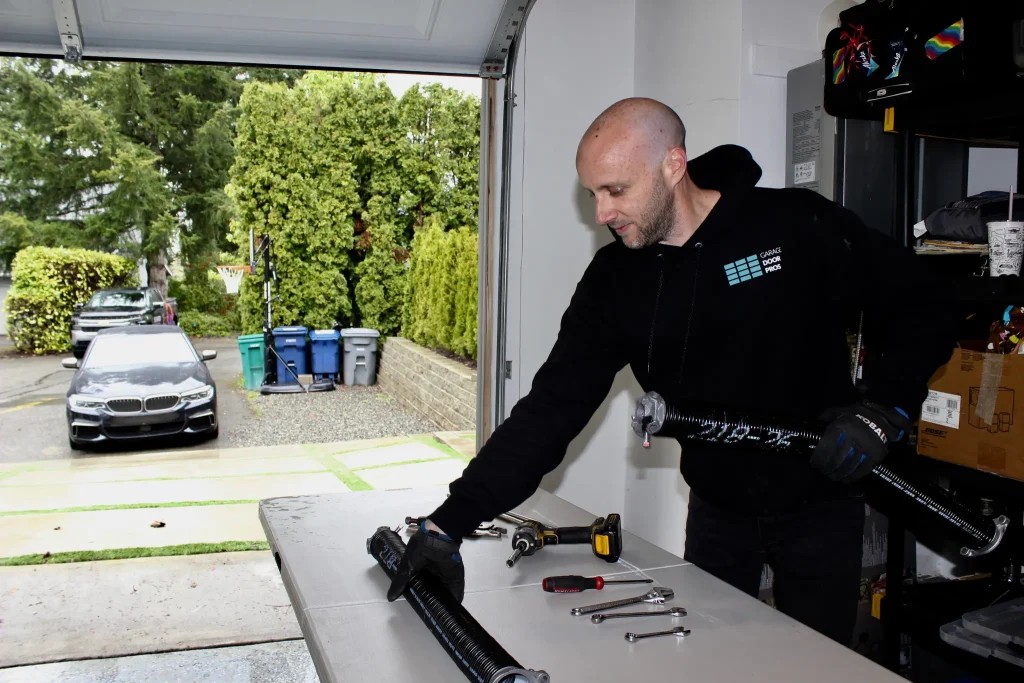
Garage door installation is one of the few home projects where the DIY route carries real physical risk. Torsion springs hold enormous tension, and releasing one without the correct tools and training can cause serious injury.
- Correct setup: Every spring, track, and opener is aligned and balanced so the door runs smoothly instead of straining the motor.
- Safety standards: Installers work to the standards that govern sensors, reversing mechanisms, and spring containment.
- Long-term value: Proper installation extends the life of the door and prevents repair costs down the road.
- Warranty protection: Many manufacturer warranties require professional installation to stay valid.
Once the door is in, a little routine care keeps it running well. Our garage door maintenance service covers the lubrication, balance checks, and hardware tightening that prevent most common failures.
Choosing the best garage doors for your home is about more than looks. It is about keeping your family safe, saving energy, and adding real value. The right door improves curb appeal, improves comfort, and makes everyday life easier.
Garage Door Pros is here to help you every step of the way. From durable steel doors to warm wood designs and insulated options for comfort, our team offers expert advice and professional installation across Kirkland and the surrounding service areas. We focus on quality and make the whole process simple and stress-free.
Contact us today to see how we can transform your home with a smooth, reliable garage door replacement. Whether you need help selecting the right style, exploring features, or setting up installation, our friendly team is ready to guide you and deliver results you’ll love.
Frequently Asked Questions

Garage Door Openers That Add Convenience
A new garage door is only as effective as the opener that powers it. Modern openers offer smooth operation, enhanced safety features, and intelligent technology that simplify everyday life.
- Quiet operation: Belt-drive models run smoothly without disturbing noise, even at night.
- Smart connections: Wi-Fi features let you open and close doors with a phone app.
- Safety sensors: The door reverses if something blocks its path, keeping children and pets safe.
- Long-lasting motors: Reliable technology that delivers dependable performance for many years.
You can compare current models on our LiftMaster openers page. Replacing the opener at the same time as the door is usually simpler and cheaper than doing it later as a separate visit.
Improving Curb Appeal with Garage Door Choices
Garage doors cover a large part of the home’s front, which means they play a huge role in curb appeal. Choosing the right design can make your home stand out.
- Stylish finishes: Raised panel, glass, or wood textures bring unique character to any property.
- Color choices: Matching or contrasting your home’s paint can make a bold statement.
- Windows and accents: Adding small design elements creates charm and a more welcoming look.
- Balanced design: A well-matched door blends with the proportions and materials of the rest of your home.
How to Prepare for Your Garage Door Replacement
Planning ahead is what keeps a replacement on schedule. A little preparation avoids delays, surprise costs, and decisions made in a hurry on installation day.
- Check your current setup: Look for damage, worn tracks, rusted hardware, or an outdated opener that should be replaced along with the door.
- Set a clear budget: Factor in the style, any insulated upgrades, window inserts, and a new opener if you need one.
- Confirm accurate measurements: Exact width, height, headroom, and side clearance decide which doors will actually fit your opening.
- Review design options early: Insulated models, raised panel designs, and glass panels each change the price and the lead time.
- Clear the space: Move vehicles, tools, and stored items away from the door and walls so installers have a safe working area.
- Schedule with local experts: Professional installers handle timing, delivery, and disposal of the old door.
What Happens During Garage Door Installation
Knowing the sequence makes the day feel far less stressful. Most residential replacements follow the same four stages.
- Remove the old door: Panels, tracks, springs, and hardware are taken down safely and hauled away.
- Prepare the opening: The frame is inspected, adjusted, and sealed so the new door sits square and weathertight.
- Install the new system: Panels, tracks, rollers, and springs are fitted and balanced so the door moves evenly.
- Test everything: The opener, auto-reverse function, photo-eye sensors, and manual release are all checked before the crew leaves.
That final test matters more than it sounds. The U.S. Consumer Product Safety Commission’s home safety guidance covers the reversing mechanisms and sensor requirements that keep automatic doors from closing on a person, pet, or vehicle. Ask your installer to demonstrate the reversal test so you can repeat it yourself every month.
Panels, Glass, and Cost: What Homeowners Ask Before Committing
A few practical questions come up on nearly every estimate, and the answers can change the scope of your project.
- Full replacement or partial: Replacement means removing the old panels, preparing the frame, and fitting a complete new system. It is the right call when the door is aging overall or you want a different style.
- Door replacement panels: If only one section is dented or damaged and the door is otherwise sound, that panel can often be swapped on its own. Matching an older door’s color and profile is the usual limitation.
- Garage door glass replacement: New glass or window inserts refresh the look of an existing door and bring natural light into the garage without the cost of a full replacement.
- What drives cost: Size, material, insulation, window inserts, hardware, and whether the opener is being replaced. Disposal of the old door and any frame repair also factor in. For national average ranges before you gather local quotes, HomeAdvisor’s cost guides are a reasonable starting point.
Why Professional Installation Matters
Garage door installation is one of the few home projects where the DIY route carries real physical risk. Torsion springs hold enormous tension, and releasing one without the correct tools and training can cause serious injury.
- Correct setup: Every spring, track, and opener is aligned and balanced so the door runs smoothly instead of straining the motor.
- Safety standards: Installers work to the standards that govern sensors, reversing mechanisms, and spring containment.
- Long-term value: Proper installation extends the life of the door and prevents repair costs down the road.
- Warranty protection: Many manufacturer warranties require professional installation to stay valid.
Once the door is in, a little routine care keeps it running well. Our garage door maintenance service covers the lubrication, balance checks, and hardware tightening that prevent most common failures.
Choosing the best garage doors for your home is about more than looks. It is about keeping your family safe, saving energy, and adding real value. The right door improves curb appeal, improves comfort, and makes everyday life easier.
Garage Door Pros is here to help you every step of the way. From durable steel doors to warm wood designs and insulated options for comfort, our team offers expert advice and professional installation across Kirkland and the surrounding service areas. We focus on quality and make the whole process simple and stress-free.
Contact us today to see how we can transform your home with a smooth, reliable garage door replacement. Whether you need help selecting the right style, exploring features, or setting up installation, our friendly team is ready to guide you and deliver results you’ll love.
What makes choosing the right garage door so important?
A garage door affects your home’s security, energy use, and curb appeal all at once, and it covers a large share of the front elevation. Because a well-installed door lasts many years, the choice you make now shapes daily comfort and maintenance costs for a long time.
Which garage door material needs the least maintenance?
Steel is the lowest-maintenance option for most homes. It resists weather, holds its finish well, and needs little more than occasional cleaning and hardware checks. Fiberglass is a close second and resists dents and rust, though it offers a different look.
Are wood garage doors worth the extra upkeep?
They can be, if the look matters to you. Wood brings warmth and character that steel finishes only imitate, and it suits traditional and craftsman homes especially well. The trade-off is regular sealing or refinishing to protect it from moisture, which is a real consideration in the Pacific Northwest.
Do insulated garage doors really lower energy bills?
They help most when the garage is attached to the house or shares a wall with a heated room, since that is where heat is actually being lost. For a detached, unheated garage the savings are smaller, but you still get better temperature control and noticeably less outside noise.
Which type of garage door works best when ceiling space is limited?
Roll-up doors are designed for exactly that situation, since the door coils into a compact drum rather than running back along the ceiling. Side-hinged doors are another option when headroom is tight, provided you have clearance in front of the opening.
Can I replace just one damaged panel instead of the whole door?
Often yes. If a single section is dented and the rest of the door, springs, and tracks are in good shape, that panel can be replaced on its own. The main obstacle is matching an older door’s exact profile and color, especially if the model has been discontinued.
What does garage door glass replacement involve?
It means fitting new glass or window inserts into an existing door, either to replace broken panes or to update the look. It brings natural light into the garage and refreshes the door’s appearance at a fraction of the cost of replacing the whole thing.
Do I need a new opener when I replace the door?
Not always, but it is worth considering. If your current opener still runs well and has working photo-eye sensors, it can usually be reused. If it is aging, noisy, or lacks modern safety features, replacing both together costs less than scheduling a second visit later.
How should I prepare my garage before installation day?
Move vehicles out and clear stored items away from the door and the surrounding walls so the crew has room to work safely. Confirm your measurements and final design choices beforehand, and make sure there is space in the driveway for the delivery and for hauling the old door away.
What affects the cost of a garage door replacement?
Size, material, insulation level, window inserts, and hardware are the main drivers, along with whether you are replacing the opener. Removal and disposal of the old door and any repairs to the frame can add to the total. Get itemized quotes so you can see what is actually included.


