

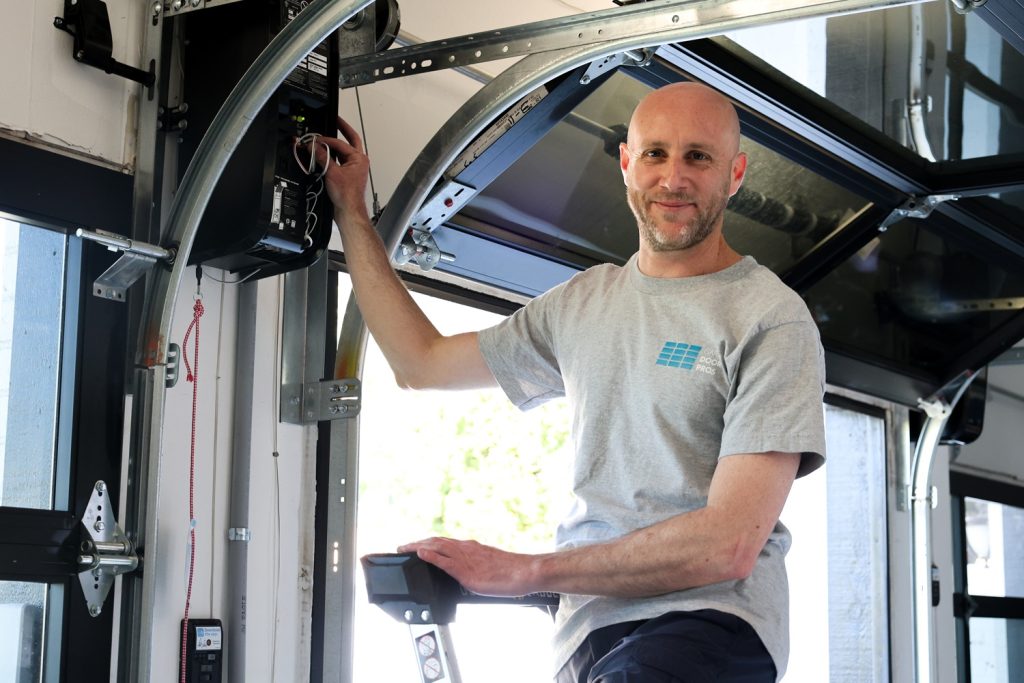
Get a comprehensive understanding of how to change a garage door motor, including system compatibility, motor types, and operational impact on your garage door.
In homes with automated garage systems, the motor is one of the most vital components. Over time, usage, mechanical fatigue, or technological upgrades may prompt the need for replacement. That’s when many start wondering how to change the garage door motor. Understanding the process in depth allows homeowners to make informed choices, whether for performance, noise reduction, or modern functionality.
Garage door motors are not universal. Each is designed to work with specific configurations based on drive type, weight load, and door size. Changing one isn’t just a swap—it’s a system-aware decision that impacts operation and durability. Before committing to a change, it helps to understand how motors interact with torsion springs, rails, and electronic control units.
The question of how to change a garage door motor extends beyond mechanical adjustments. It includes a thorough evaluation of current equipment, smart compatibility, and even home security considerations. Making the right change ensures long-term efficiency and enhances overall performance.
Knowing When It’s Time for a Motor Replacement
Signs Your Garage Door Motor Is Failing

Noticing irregular noises, slow movement, or delayed responses? These can signal internal motor issues. Other signs include vibrations during operation or a complete lack of movement when remote or wall controls are activated. Ignoring these early warnings may lead to full system failure.
Age and Compatibility Issues
Most garage door motors have a life expectancy of 10–15 years, depending on usage. If yours is nearing that range and starts underperforming, changing it may be more cost-effective than continuous repair. Additionally, older models might not be compatible with modern remotes or safety features.
Advancements in Motor Technology
Technological improvements have made modern garage door motors quieter, more efficient, and compatible with smart devices. If your existing motor lacks features such as a backup battery, motion sensing, or app control, replacing it may align your system with current standards.
Assessing Motor Types for a Better Fit
Chain-Drive Motors
These motors use a metal chain to move the trolley and open or close the door. Known for strength and reliability, they’re ideal for heavy garage doors. However, they tend to be noisier and may not be suitable for homes with attached garages.
Belt-Drive Motors
Using a rubber belt instead of a chain, belt-drive motors are quieter and smoother. They work well in residential settings where noise is a concern. Their construction also leads to less wear and tear over time, though the upfront cost is slightly higher.
Screw-Drive and Direct-Drive Options
Screw-drive systems use a threaded rod to move the door. They are strong and require minimal maintenance, but can be affected by temperature fluctuations. Direct-drive motors, on the other hand, have fewer moving parts and are known for quiet, durable performance with minimal maintenance needs.
Steps Involved in How to Change a Garage Door Motor
Reviewing the System Setup
Before any removal, inspect your garage door system. Identify the rail type, mounting hardware, control wiring, and connection to safety features. This step ensures the new motor will be compatible with your existing setup.
Disconnecting Power and Removing the Old Unit
Safety is the priority. Disconnect the power source and ensure no voltage is running through the opener. Begin by removing the opener cover, detaching the trolley, unscrewing the mounting brackets, and then carefully lowering the unit.
Mounting and Aligning the New Motor
Install the new motor by reversing the disassembly steps. Secure it using new or existing brackets and align it along the rail. Motor placement must ensure that tension is distributed evenly across the trolley and chain or belt mechanism.
Reconnecting the Controls and Sensors
Wiring plays a crucial role. Connect the new motor to wall-mounted controls, remote receivers, and safety sensors. Test these elements to ensure signals transmit correctly and safety systems activate when needed.
Calibration and Testing
Once installed, calibrate the motor’s up and down travel limits. Test the operation multiple times, ensuring smooth opening and closing. Adjust settings to accommodate door weight and track position if necessary.
Impact of Motor Replacement on Garage Door Functionality
Enhanced Performance and Reliability
Replacing a worn motor can drastically improve garage door response time and reduce lag. Newer motors are often designed with faster speeds and more efficient load distribution, resulting in smooth, consistent movement.
Noise Reduction and Vibration Control

If noise was an issue with your old motor, switching to a modern drive system—especially a belt or direct-drive—can lead to noticeable quietness. This can make a significant difference, especially in multi-use or connected living spaces.
Integration with Smart Systems
New motors often come with Wi-Fi compatibility, app controls, and voice assistant integration. For homeowners upgrading their smart home infrastructure, this feature adds convenience and control, whether you’re at home or away.
Installation Considerations and Professional Involvement
DIY vs. Professional Service
While some experienced homeowners might feel equipped to handle the process, replacing a garage door motor involves both mechanical and electrical components. Professionals ensure accurate installation, compliance with local codes, and preservation of manufacturer warranties.
Evaluating Garage Door Weight and Spring Tension
Incorrect spring calibration can lead to stress on the new motor. A professional will check whether torsion or extension springs are properly adjusted before motor replacement to avoid unnecessary strain on the system.
Matching the Right Motor to the Door Type
Choosing a motor that’s underpowered or incompatible can reduce performance and increase wear. Weight, height, and daily usage must guide motor selection to ensure long-term efficiency.


