

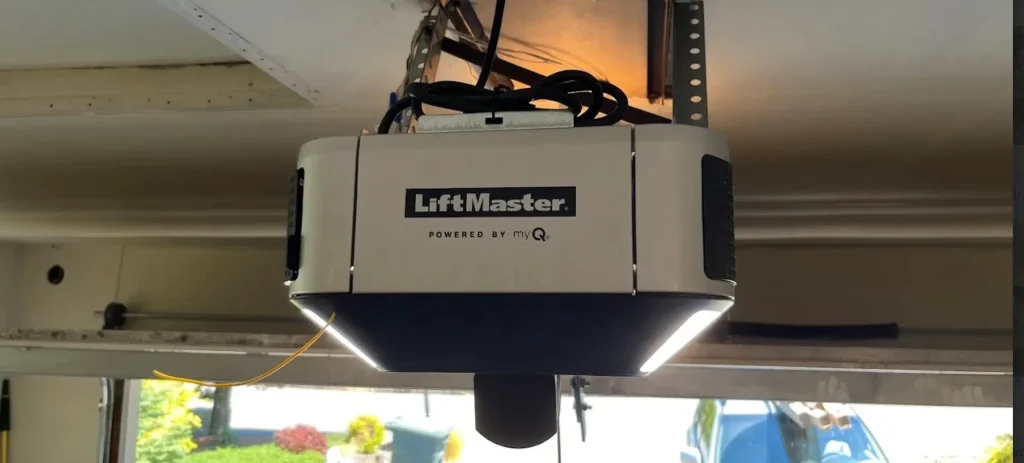
Learn what to know about attaching a garage door opener to the door, including how compatibility, structure, and professional support can impact performance and safety.
When you think about the operation of a garage door, the opener is one of the most important components. It handles the heavy lifting every time you access your garage. However, many overlook the significance of how the opener connects to the door itself. That connection point, although not complicated, plays a pivotal role in ensuring the entire system runs smoothly and safely.
Attaching a garage door opener to the door involves more than just mounting hardware. It requires consideration of door material, door size, and the type of opener being installed. These elements work together to influence the door’s overall functionality. Incorrect alignment or compatibility issues may lead to premature wear, noise, or malfunction.
Installing a garage door opener involves important structural considerations. The strength and precision of this attachment directly affect long-term performance and safety. Improper setup can lead to mechanical failures or void warranties. For these reasons, this type of installation should be handled exclusively by a qualified professional to ensure reliable and compliant operation.
Why the Type of Garage Door Matters When Attaching an Opener
Door Material and Weight Considerations
Garage doors come in a variety of materials and designs, and each one interacts differently with garage door openers. Steel, wood, and aluminum doors have different weight profiles and structural rigidity, which directly impact the method of attaching a garage door opener to the door. For instance, heavier wooden doors might require reinforcement before attachment.
Sectional vs. Tilt-Up Doors
Sectional garage doors are most commonly used with automatic openers. These doors are constructed to work seamlessly with ceiling-mounted opener systems. On the other hand, tilt-up doors may involve a different attachment strategy. Understanding door type helps avoid mismatches and ensures a smooth operating system.
Opener Compatibility
Compatibility between the opener and the door isn’t just about weight and dimensions. The way your door opens and closes must align with the motor’s drive type, whether it is chain, belt, or screw-driven. Skipping over this evaluation can affect long-term reliability and performance.
Key Points About Attaching a Garage Door Opener to the Door Frame
Importance of a Stable Frame
The frame of your garage door serves as the foundational element where support brackets and mounting points are fixed. A stable frame ensures the opener remains aligned and reduces mechanical strain during operation. When attaching a garage door opener to the door, inspecting the frame for integrity and balance is an essential step.
Signs of a Weak Frame
Even if the opener itself is high-quality, a weak or damaged door frame can lead to instability. Over time, this may result in the opener pulling at an angle, putting undue stress on the door panels. This stress often leads to gaps, noise, or difficulty during opening and closing cycles.
Preparation Before Installation
Before installation, professionals usually verify the condition of the header and jambs, ensuring they are free from rot, cracks, or significant wear. Proper bracing and reinforcement may be recommended depending on the condition and design of your existing door structure.
What to Expect from Different Garage Door Opener Models
Size and Power Requirements
Not all garage door openers are the same, and each model comes with varying demands in terms of attachment requirements. When focusing on attaching a garage door opener to the door, homeowners should understand the specifications of the opener model. Some openers are more compact, while others require broader mounting space and stronger connection points.
Drive Mechanism Variations
Chain-driven openers often involve more vibration and noise and usually require sturdy installation brackets. Belt-driven models are quieter and may place less stress on the attachment point. Screw-drive openers are somewhere in between but often need precise alignment.
Safety Features and Load Distribution
Modern garage door openers include built-in sensors and overload protection. These features depend on secure attachment to function correctly. If the door or frame attachment fails, these systems might not perform as intended, compromising both safety and reliability.
Frequently Asked Questions
What should I check before attaching a garage door opener to the door?
Before any attachment, check the garage door’s balance, the frame’s condition, and ensure compatibility between the door and the opener model. These checks help avoid future mechanical issues.
Can I attach a garage door opener to an old garage door?
It depends on the condition of the door. If the door is structurally sound and free of damage, it may be possible. However, reinforcement or replacement may be needed for safe operation.
Do all garage door openers fit every type of garage door?
No. Garage door openers vary in design, size, and compatibility. Always match the opener type to your door style, weight, and dimensions to ensure proper function.
Is professional help necessary for attaching a garage door opener to the door?
While some experienced DIYers may handle it, professional installation ensures alignment, safety compliance, and warranty protection. An incorrect setup can cause long-term issues.
What are the risks of improper attachment?
Improper attachment can lead to uneven door movement, excessive strain on components, noise, and even safety hazards. Long-term, it may damage both the door and the opener.
Conclusion
The process of attaching a garage door opener to the door is more than a simple step in installation. It impacts everything from mechanical efficiency to operational safety. Understanding the door type, opener model, and structural support helps build a solid foundation for daily garage use.
Every connection point, bracket, and mounting location plays a role in overall functionality. Any oversight during this phase can result in mechanical failure, noise, or safety concerns. Homeowners should prioritize precision and compatibility.
For those planning upgrades or new installations, knowledge about attaching a garage door opener to the door can improve long-term performance and prevent avoidable maintenance issues. Investing time to understand this part of the system pays off in durability and safety.
End Note
Garage Door Pros understands the importance of having a fully functional and secure garage door system. Our team is committed to helping you keep every component of your garage door reliable, including opener installations and attachments.
Explore our full garage door services, including garage door maintenance and garage door opener repair. We also specialize in installing LiftMaster openers.
Contact us directly through our contact page for more information or to schedule a professional assessment today.


