

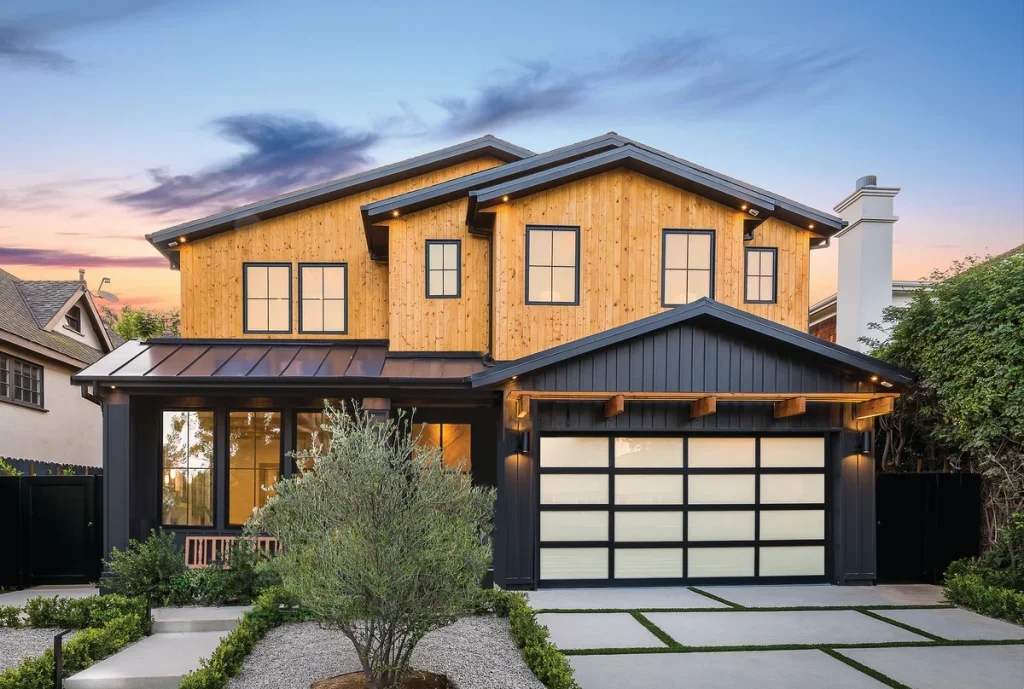
Garage doors are one of the largest entry points into any Kirkland home, yet many people give little thought to how they lock. With the Pacific Northwest’s steady rain and damp air, locks here face challenges that drier regions never see. Rust, swelling, and sticking hardware are common around Lake Washington and the surrounding neighborhoods, and these issues are among the top reasons homeowners call for garage door repair. Knowing which lock your door uses helps protect your family, your tools, and everything stored inside.
Below are the most common locks found on modern garage doors today, along with simple tips on what to watch for and how to keep them working.
T-Handle Locks
A T-handle lock is the classic shape many people picture when they think of a garage door. It sits in the center of the door and uses a key to turn the handle, which pulls two metal rods toward the door tracks to lock it in place.
These are durable and affordable, which is why they remain popular on older and budget-friendly doors across Kirkland. The downside is that the moving rods can bend or slip out of alignment over time.
What to check: Make sure both locking rods slide smoothly into the slots on each track. If the handle turns but the door still lifts, the rods are likely misaligned.
Helpful tip: A small amount of garage-rated lubricant on the rods once or twice a year prevents the sticking that Kirkland’s moisture often causes. Avoid heavy grease, since it attracts dust and grit.
If a T-handle stops latching entirely, a technician usually realigns or replaces the rods. The average cost for this kind of fix is modest compared to replacing the whole locking system.
To learn how today’s doors go beyond simple locks, check out the guide “How Modern Garage Doors Protect Against Break-Ins.“
Side-Latch (Slide) Locks
Also called slide locks or sliding deadbolts, these mount on the inside of the door near the track. A metal bar slides into a hole in the track, physically blocking the door from rolling up. Many can be padlocked for extra security.
Side latches are simple and reliable, making them a favorite for garages used as workshops or storage. Because they lock from the inside, they work best for doors that are also operated manually.
Important warning: Never leave a side latch engaged while the garage door opener is connected. If someone presses the remote, the motor will strain against the locked bar and can burn out or break. This is one of the most common repair calls in the area.
What to check: Look for a latch that has been left in the locked position by accident. Many newer openers include a lock sensor that prevents the motor from running, but older units do not.
Helpful tip: Get in the habit of glancing at the side latch before pressing the remote, especially in homes where more than one person uses the garage.
Curious how the latest models stack up against intruders? The article “Are Modern Garage Doors Harder to Break Into?“ breaks it down.
Deadbolt Locks
Deadbolt-style garage locks work much like the deadbolt on a front door. A solid metal bolt extends into the frame or track, offering strong resistance against forced entry. They are often paired with a T-handle for double protection.
Deadbolts are valued for their strength. The trade-off is that they require manual operation, so they are less convenient for daily in-and-out trips.
What to check: The bolt should extend fully and line up with its slot. A bolt that only goes in partway offers weak protection and may signal a shifted door frame, which is common as homes settle.
Helpful tip: Damp weather can cause wooden frames to swell, making the bolt stick. A quick test each season helps catch this early. If the bolt grinds or refuses to seat, a professional can adjust the strike plate rather than replacing the lock.
Wondering if your door can do more than just block entry? The post “Can Modern Garage Doors Detect Intruders?“ explores the smart features now built into many systems.
Automatic Smart Deadbolts
Automatic deadbolts represent a major step forward in garage security. These motorized locks attach to the door track and automatically throw a bolt into place every time the door fully closes. When the opener is activated, the bolt retracts on its own.
This design solves the biggest weakness of standard openers, which can sometimes be forced open. For Kirkland families who want hands-free security without remembering to lock anything, these are an excellent fit.
What to check: Listen for the soft click of the bolt engaging after the door closes. No sound may mean the unit lost power or fell out of sync with the opener.
Helpful tip: Keep the small electrical connection clean and dry. Moisture in the garage can interfere with the signal between the lock and the opener. If the bolt stops firing, a technician can recalibrate the connection. The average cost stays reasonable when the issue is caught early rather than after the motor is damaged.
Electronic Keypad Locks
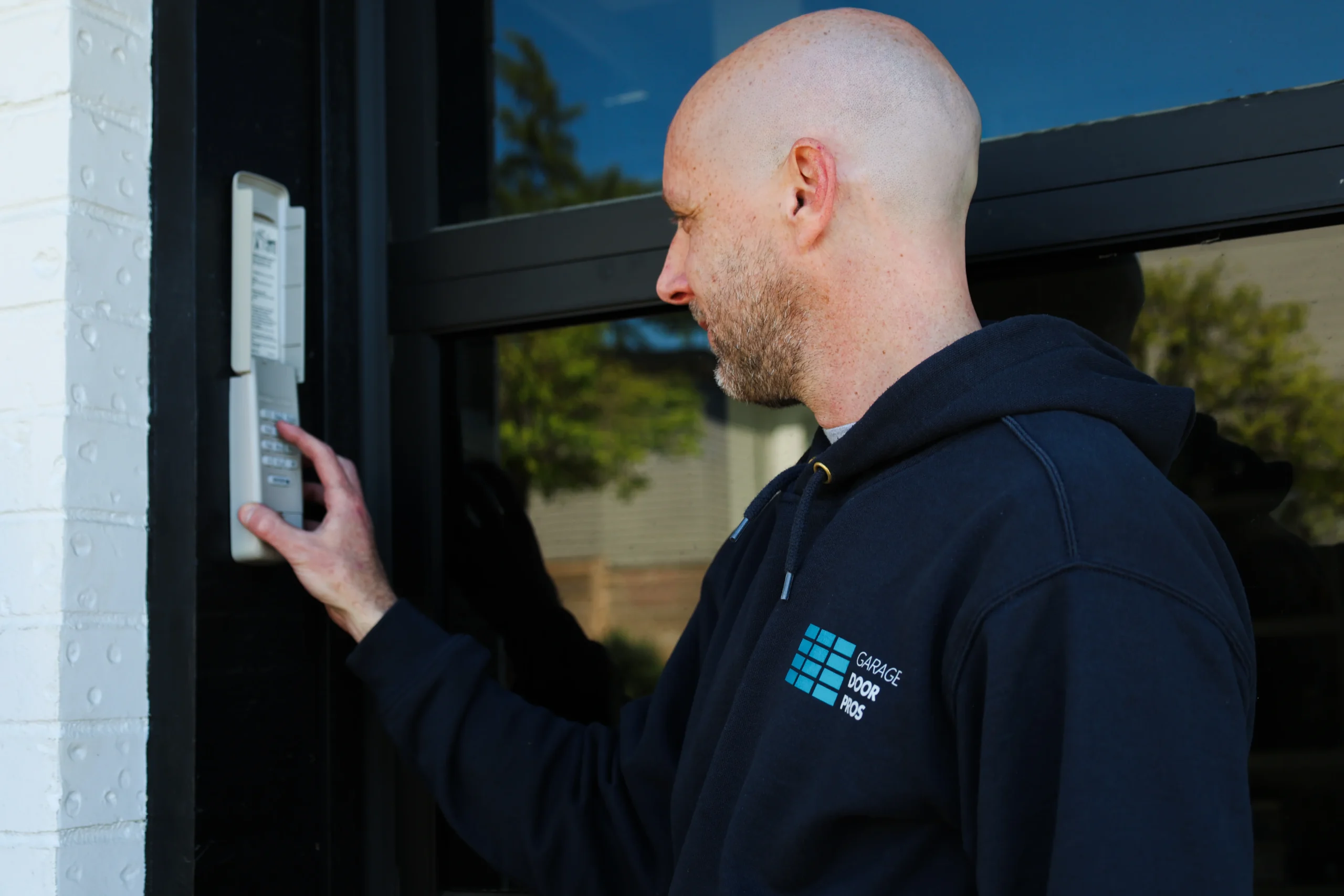
A keypad lock mounts outside the garage and opens the door when the correct code is entered. There is no key to lose and no need to carry a remote, which makes it popular for kids, dog walkers, and delivery access.
Keypads are convenient but rely on batteries and exposure-rated buttons. In a rainy climate, weatherproofing matters a great deal.
What to check: Faded or sticky buttons can hint at water getting inside. A keypad that responds slowly or skips numbers often needs fresh batteries first.
Helpful tip: Change the access code a few times a year, especially if a temporary code was shared with a service provider. Mount the keypad under an eave or small cover when possible to shield it from direct rain. If the keypad fails completely despite new batteries, replacement is usually the simplest route, and the average cost is low for a standard model.
Smart Opener App Locks
Many newer garage door openers connect to a phone app over Wi-Fi. The app lets homeowners lock, unlock, and monitor the door from anywhere, and it can send alerts if the door is left open. Some pair with smart home systems for voice control.
This is the fastest-growing option in modern Kirkland homes, where smart technology is widely used. The convenience is real, but it depends on a stable internet connection and careful account security.
What to check: Confirm the app shows the correct door status. A door that reads “closed” while standing open points to a sensor or connection problem.
Helpful tip: Use a strong, unique password and enable two-step verification if the app offers it. Treat the app like online banking, since it controls a real door. A weak password is a far bigger risk than any mechanical flaw. If the connection drops often, moving the Wi-Fi router closer or adding a signal extender near the garage usually helps.
Cylinder Locks
Cylinder locks use a keyed core similar to those found on standard doors. They can be built into a handle or installed as a standalone unit, and they are often chosen when a homeowner wants all their keys to match.
These offer familiar, dependable security. The main concern is wear inside the keyhole, which the area’s damp air can speed up.
What to check: A key that wiggles, sticks, or turns roughly suggests internal wear or moisture buildup.
Helpful tip: Use a dry lubricant made for locks rather than oil-based sprays, which gum up the pins over time. If a key breaks off or the cylinder seizes, a locksmith or garage door pro can re-key or swap the core. The average cost is minor compared to the peace of mind a smooth-working lock provides.
How to Choose the Right Garage Door Lock
The best lock depends on how the garage is used. Households that come and go often tend to prefer keypads or smart app control for speed. Those storing valuable tools may favor a deadbolt or automatic smart deadbolt for raw strength. Many Kirkland homes use a combination, such as a smart opener paired with an automatic deadbolt, for both convenience and protection.
A few habits keep any lock working longer. Regular garage door maintenance is the simplest way to avoid surprises: inspect hardware each season, since the local climate is hard on metal. Keep moving parts clean and lightly lubricated. Never operate a powered opener while a manual latch is engaged. And replace batteries before they die rather than after.
A garage door that locks reliably is a quiet but powerful layer of home security. Taking a few minutes to learn which lock the door uses, and giving it basic seasonal care, goes a long way toward keeping a Kirkland home safe and trouble-free.
Trusted Garage Door Help in Kirkland
Garage Door Pros brings years of hands-on experience to Kirkland homeowners, offering honest advice, dependable repairs, and quality installations for every type of lock and opener. The skilled technicians deliver solutions built to last through the Pacific Northwest’s toughest weather. Whether a lock needs a simple adjustment or a full security upgrade, contact us today or give us a call to keep your garage door safe and ready for years to come.


