

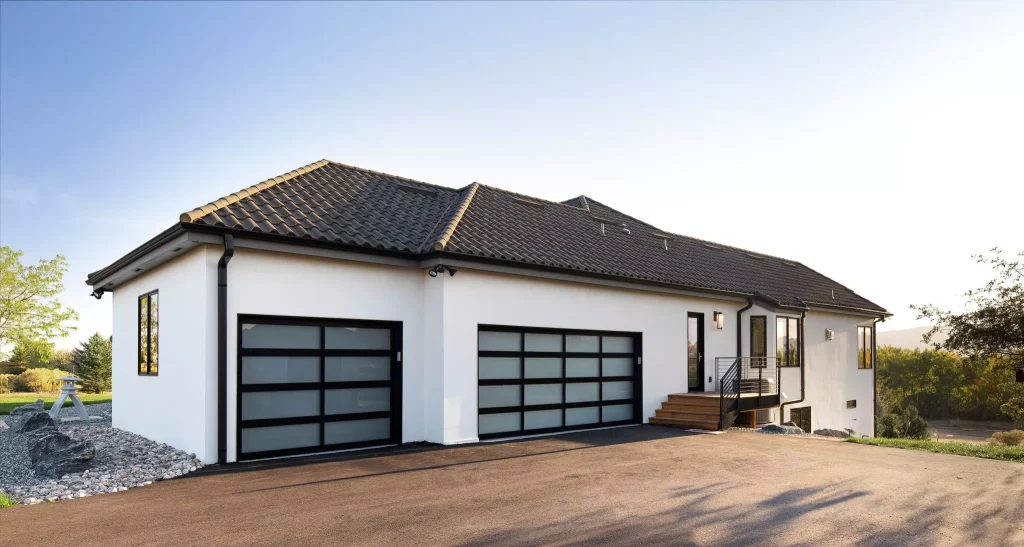
Garage doors shape both the appearance and the function of a home. Because they are one of the largest exterior features, the style of a garage door affects curb appeal, property value, and energy efficiency. When choosing a door, homeowners typically weigh durability, insulation, maintenance requirements, and how well the design matches the home’s architecture – all of which matter when planning a garage door installation.
In areas like Kirkland, WA, weather conditions such as rain and persistent moisture also influence which materials perform best over time. Some styles stay popular for their classic look, while others are chosen for modern design, insulation, or sustainability.
The sections below cover the styles most commonly installed today, how each affects a home’s design, and what to know about durability and long-term performance.
Why Garage Door Style Matters for Modern Homes
Garage door style affects far more than appearance. Because the door can occupy a large share of a home’s front elevation, its design has a strong influence on how balanced and intentional the exterior looks. A door that complements the house creates a cohesive appearance, while one that clashes with the architecture can make the whole property look mismatched.
Kirkland neighborhoods include a mix of craftsman homes, contemporary Northwest designs, modern architecture, and traditional suburban houses. Selecting a style that aligns with the home’s existing design usually improves resale appeal as well as day-to-day satisfaction.
Insulation and durability matter just as much. Insulated doors help maintain more stable temperatures inside the garage, which reduces strain on the opener and can affect nearby rooms in an attached garage. Frequent Pacific Northwest rain also affects certain materials if they are not properly finished, which is why steel and composite doors are so often selected here.
Raised Panel Garage Doors
Raised panel garage doors remain the most widely installed style in residential homes. The design features symmetrical rectangular panels that protrude slightly from the surface, creating a classic, structured appearance.
The style suits many types of architecture, particularly traditional and suburban homes, and appears throughout most Kirkland neighborhoods. Its versatility is much of the appeal – the simple panel layout pairs easily with siding, brick, or stone.
Raised panel doors are commonly made from steel, insulated steel, wood, fiberglass, or composite materials. Steel versions are especially popular because they combine durability with relatively low maintenance.
Common issues homeowners may notice:
- Minor dents on steel panels
- Loose hinges or hardware
- Track alignment problems
- Worn weather seals
Maintenance tips: keep tracks clean and clear of debris, inspect hinges and brackets periodically, and check door balance to reduce strain on the opener. When panels become badly damaged, professional inspection is usually recommended. Panel replacement typically involves moderate repair costs depending on the door material and its condition.
Carriage House Garage Doors
Carriage house garage doors take their appearance from historic barn and carriage doors. The style has grown steadily more popular because it delivers traditional character while still operating as a modern overhead door.
These doors often include decorative handles, hinges, strap hardware, and crossbeam or vertical panel patterns. The look works especially well with craftsman and farmhouse-style homes, both common in residential areas around Kirkland.
Construction is usually wood, steel with decorative overlays, or composite materials – combining the traditional appearance of older carriage doors with the convenience of an automatic opener.
Potential issues to watch for:
- Decorative hardware loosening over time
- Weather seal wear
- Moisture-related expansion in wood doors
- Spring wear affecting door balance
Because rainfall is frequent in the Pacific Northwest, wooden carriage doors generally need protective finishes to limit moisture exposure. Loose hinges or worn springs can also affect how smoothly the door travels, so periodic inspection of hardware, weather stripping, and alignment is worthwhile – particularly during seasonal weather changes.
Carriage house doors often carry higher average installation costs, depending on materials and the complexity of the design.
Flush Panel Garage Doors
Flush panel garage doors have a smooth, flat surface with no raised panels or decorative detailing. The result is a continuous, uncluttered face across the entire door, which makes this style a frequent choice for contemporary homes and newer residential developments.
Flush panel doors are typically built from steel, aluminum, or composite materials. Steel versions are the most common because they hold a modern look while resisting damage. Some designs incorporate subtle horizontal accents or textured finishes.
In a climate like Kirkland’s, steel flush panel doors with protective coatings offer improved resistance to rust and corrosion. Insulated versions also help regulate garage temperatures and reduce outside noise.
Possible concerns:
- Surface scratches or cosmetic damage
- Panel warping
- Reduced insulation in non-insulated models
- Added strain on the opener if door weight changes
Inspection tips: check that the door balances properly when opening and closing, monitor opener performance, and look at the insulation seals along panel edges. Uneven movement often points to an issue with the springs or rollers and should be inspected before it puts additional strain on the opener.
Average costs for flush panel doors vary based on insulation features, door size, and installation requirements.
Full-View Glass Garage Doors
Full-view glass garage doors are among the most recognizable styles in modern home design. Large glass panels set in an aluminum frame create a sleek exterior while letting natural light into the garage. They appear most often on contemporary homes, new construction, waterfront properties, and renovated homes where modern design is emphasized.
Many modern Kirkland homes feature large windows and open layouts, and a glass door complements that approach by creating a smoother transition between indoor and outdoor design.
Common glass options:
- Clear glass panels
- Frosted or opaque glass
- Tinted glass
- Tempered safety glass
These variations let homeowners control privacy and light levels without giving up the modern look.
Considerations: glass doors offer less insulation than solid doors, show fingerprints and dirt more readily, and have seals and aluminum frames that are exposed to weather. Homeowners should periodically inspect weather stripping around the door edges, frame stability and alignment, panel condition, and roller and track condition.
If moisture starts appearing around the door edges or the door becomes harder to operate, the weather seals may need adjustment or replacement. Cracked or chipped glass panels should be inspected professionally to ensure safe replacement. Choosing tempered or insulated glass can improve durability and reduce heat transfer during colder months.
Because of the materials involved, glass doors generally fall in the moderate-to-higher installation cost range.
Wood and Faux Wood Garage Doors
Wood garage doors offer natural beauty, rich texture, and extensive customization. The grain and warmth of real wood suit craftsman, traditional, and upscale custom homes, and wood can be finished in carriage house designs, traditional raised panels, or custom architectural patterns. Cedar, redwood, and engineered wood are the most common materials.
Wood does require more upkeep than metal alternatives. Because Washington sees regular rainfall, untreated or poorly sealed wood can be vulnerable to water damage, swelling, warping, and fading finishes.
What to inspect regularly:
- Paint, stain, or protective coating condition
- Signs of water exposure or swelling
- Weather seals and door edges
- Panel alignment
For homeowners who want the look without the maintenance, faux wood doors are a practical alternative. These are typically steel or composite doors finished to mimic natural wood grain, offering considerably better moisture resistance. Contemporary versions with horizontal slats or smooth panels also work well on modern homes.
Real wood doors generally involve higher installation and maintenance costs than steel, though many homeowners consider the appearance and customization worth it.
Aluminum Frame Garage Doors
Aluminum garage doors are lightweight and naturally corrosion-resistant, which makes them well suited to damp climates. In an area with rainfall through much of the year, aluminum resists rust more effectively than several alternatives.
These doors usually combine aluminum frames with panel inserts made of glass, acrylic, or aluminum composite, producing a contemporary appearance. Because aluminum is lighter than steel, it can place less strain on the opener system, which sometimes contributes to smoother operation.
The main trade-off is impact resistance – aluminum panels dent more easily from contact with tools, sports equipment, or vehicles.
Regular inspection should include:
- Dents or bending in the panels
- Weather seals around the door edges
- Hinge and roller movement
- Track alignment
Weather seals deserve particular attention in rainy areas, since damaged seals let water into the garage. Unusual noise during operation often means the rollers or hinges need lubrication or adjustment. Aluminum doors typically fall within moderate installation cost ranges depending on size, insulation, and design.
Horizontal Slat Garage Doors
Horizontal slat doors are closely associated with contemporary architecture. Long horizontal panels create a strong linear pattern across the door face that reinforces the clean, structured look many modern homes aim for. The style pairs well with modern siding materials, large windows, and minimal decorative detailing.
These doors are typically built from aluminum, steel, or composite materials, and they appear frequently in newer Kirkland developments.
Panel alignment is especially important for smooth operation on this style. Homeowners should keep an eye on panel alignment, roller wear, and track condition. Debris in the tracks interferes with door movement, so keeping the garage floor and track area clean helps prevent unnecessary strain. Jerking motion or grinding noises usually indicate worn rollers or track alignment problems.
Custom Garage Door Designs
Some homeowners prefer a door built around the specific architecture of their home. Custom designs allow greater flexibility in materials, panel layouts, window placement, and decorative features, often combining wood and glass, steel and aluminum, or various composites. In upscale areas of Kirkland, they are sometimes used to highlight architectural features and strengthen curb appeal.
Proper installation and routine inspection remain important – homeowners should monitor door balance and alignment, hardware condition, and opener compatibility. Because custom doors involve specialized fabrication, they generally fall within higher installation cost ranges.
Garage Door Materials at a Glance
| Material | Durability | Maintenance | Best suited to | Moisture resistance |
|---|---|---|---|---|
| Steel | High | Low | Traditional and modern homes | Good with protective coating |
| Aluminum | Moderate | Low | Contemporary and glass-panel designs | Excellent |
| Wood | Moderate to high | High | Craftsman, traditional, custom homes | Requires sealing |
| Composite | High | Low | Homes wanting a wood look | Very good |
| Glass with aluminum frame | Moderate | Moderate | Modern and waterfront homes | Good with intact seals |
| Fiberglass | High | Low | Coastal and high-moisture settings | Excellent |
How Garage Door Style Shapes Home Design
Matching the Style to the Architecture
Every home follows an architectural theme, and matching the door to that theme is what creates a cohesive exterior. Common pairings include:
- Traditional homes: raised panel doors
- Craftsman homes: carriage house doors with decorative hardware
- Modern homes: flush panel or full-view glass doors
- Contemporary homes: aluminum frame or minimalist panel doors
Before settling on a style, it helps to review the roof shape and slope, window shapes and patterns, exterior siding or stone finishes, trim patterns, and the front entry door design. A garage door should support the architectural design rather than dominate it.
Windows, Color, and Panel Depth
Garage door windows serve more than a decorative purpose. They bring natural light into the garage, create symmetry with the home’s other windows, and improve curb appeal. Popular options include rectangular grid windows, arched windows, frosted or tinted glass, and full-view contemporary panels. Patterns that echo the house windows produce the most unified exterior, though garage orientation toward the street and interior visibility are worth weighing when deciding on placement.
Color has a similar effect. Most homeowners match the trim, coordinate with the front door, or blend with the siding and stone – white, soft gray, dark bronze, natural wood tones, and black accents being the most common choices. Sun exposure, the existing paint scheme, and any HOA guidelines all factor in. Very bright or high-contrast colors tend to draw attention to the garage rather than the house.
Panel depth changes the visual character of the door as well. Raised panels read as traditional, recessed panels are more subtle, flush panels are distinctly modern, and carriage house panels bring in historic detail. Selecting a panel design that reflects the architectural era of the home helps keep the exterior consistent.
Decorative Hardware
Decorative hardware can shift the character of a door without any structural change. Iron handles, decorative or strap hinges, and rustic accents are typical on carriage house doors. Rust resistance, compatibility with the door material, and mounting stability all matter here. Minimal hardware generally works best on modern doors, while decorative hardware suits traditional designs.
Upgrading an Older Home
Replacing a dated door is one of the most visible exterior improvements available. Glass panels modernize mid-century homes, wood overlays enhance traditional houses, and flush panels create a contemporary look. Before upgrading, confirm the opening dimensions, existing opener compatibility, and any HOA guidelines. Costs vary with material, insulation type, and installation complexity.
Sustainable and Energy-Efficient Options
Interest in eco-conscious materials has grown alongside interest in design, and several styles now serve both goals.
Reclaimed wood doors are built from repurposed lumber, which reduces demand for new material while producing a genuinely unique, rustic appearance. They suit traditional and contemporary homes alike.
Insulated steel doors offer strong thermal regulation, and many are manufactured with recycled content. Their durability and clean, modern appearance make them one of the most practical sustainable choices.
Composite doors combine recycled wood fibers with resins, delivering the look of wood without the maintenance load, along with solid insulation performance.
Why Insulation Matters
Insulated doors are typically built from layered steel with polyurethane or polystyrene cores, and they are available across most modern styles. Benefits include:
- Temperature control – reduces heat loss in winter and heat gain in summer, easing the load on heating and cooling systems
- Lower energy costs – more stable temperatures in areas adjacent to the garage
- Noise reduction – dampens road traffic and weather noise
- Added structural strength – layered construction resists dents and flexing
- Reduced environmental impact – less reliance on energy-intensive climate control
One trade-off: insulation adds weight. Heavier doors need properly balanced springs and a compatible opener. If a door struggles during opening or closing, the spring system or opener may need adjustment. Access issues can also stem from the entry system, which may call for garage door keypad repair.
How to Choose the Right Garage Door Style
Home architecture. The design of the house should guide the shortlist. Traditional homes pair well with raised panel or carriage house doors; modern homes usually suit flush panel or glass.
Material durability. Steel and aluminum resist weather well. Wood offers a distinctive natural look but needs consistent care.
Insulation needs. Attached garages benefit most from insulated doors, both for temperature stability and noise reduction.
Local climate. Frequent rain and moisture in Kirkland make weather-resistant materials and proper sealing important rather than optional.
Professional installation. Even an ideal style loses its appeal if installed poorly. Technicians verify track alignment, door balance, weather sealing, opener compatibility, and safety sensor function.
Maintenance Tips to Keep a Garage Door Working Properly
Routine care extends the life of both the door and its components:
- Keep tracks clean and free of debris
- Inspect rollers and hinges periodically
- Lubricate rollers, springs, and hinges with a silicone-based product
- Check weather seals and weatherstripping for cracks
- Test door balance occasionally by disconnecting the opener and lifting manually
- Wash the door surface with mild detergent and water
- Confirm the garage remote control signal works consistently and the batteries are good
- Schedule periodic professional inspections
Keeping the garage area clear also prevents objects from interfering with door movement.
When to Consider a Professional Inspection
Some issues are visible during a routine look; others need a technician. Homeowners may want to arrange service if:
- The door becomes unusually noisy
- The door opens unevenly, slowly, or jerks during operation
- Panels appear damaged, sagging, or warped
- Springs appear worn or stretched
- The opener struggles to lift the door
- Weather seals appear worn or loose
- The remote or keypad stops responding reliably
- Safety sensors work inconsistently
Technicians can inspect springs, tracks, rollers, cables, panels, opener systems, safety mechanisms, and entry components to identify the underlying cause. Prompt attention helps keep operation safe and prevents additional damage. If a sudden problem occurs – a door that will not open or close – emergency garage door service can restore safe operation quickly.
Choosing the Right Garage Door Style for Long-Term Performance
Raised panel, carriage house, flush panel, glass, wood, aluminum, horizontal slat, and custom designs all remain common today, and each offers a different balance of appearance, durability, and maintenance. Careful choices in material, color, panel design, and insulation improve both how a home looks and how it performs.
For homeowners in Kirkland, WA, weather resistance and insulation are usually the deciding practical factors. A door selected with those in mind supports curb appeal, day-to-day reliability, and property value over the long term.
Professional Garage Door Guidance in Kirkland, WA
For homeowners who want professional guidance when choosing or maintaining a garage door, Garage Door Pros offers experienced support and reliable service. Our team can evaluate garage door styles, inspect existing systems, and recommend options that fit both the home’s design and the local climate. Contact us today or give us a call to schedule an inspection.
What is the most common garage door style today?
Raised panel garage doors remain the most common style because they are versatile, durable, and compatible with a wide range of home designs. Steel raised panel doors are especially popular for their reliability and low maintenance. According to Door Supply, panel garage doors continue to be a leading residential option thanks to their practical design and long service life.
Which garage door style works best for modern homes?
Full-view glass and flush panel doors are the most common choices for modern homes. Glass doors set in aluminum frames deliver a sleek, light-filled look, while flush panels provide a smooth, minimalist face that suits clean contemporary architecture. Horizontal slat and aluminum frame designs are also popular on newer builds.
Are insulated garage doors worth considering?
For most homeowners, yes – particularly with an attached garage. Insulated doors help stabilize garage temperatures, reduce outside noise, and add structural strength to the door itself. In a climate with cool, wet winters, that temperature stability can also reduce strain on the opener and help protect items stored in the garage.
What garage door materials last the longest?
Steel and fiberglass generally offer the longest service life. Steel resists weather, rust, and everyday wear while requiring minimal upkeep, and fiberglass holds up well against denting and corrosion. Composite doors also perform well long-term. With proper care, any of these can last many years in Pacific Northwest conditions.
Do wood garage doors require more maintenance?
Yes. Wood needs protective finishes reapplied periodically, and it should be checked for moisture exposure, swelling, and warping – especially in a rainy climate. Homeowners who want the appearance of wood with less upkeep often choose faux wood doors, which use steel or composite construction with a wood-look finish.
Which garage door material works best in a rainy climate like Kirkland?
Steel with a protective coating, aluminum, composite, and fiberglass all handle persistent moisture well. Aluminum in particular resists corrosion. Whatever the material, intact weather seals matter as much as the door itself, since damaged seals let water into the garage regardless of panel construction.
Are glass garage doors durable enough for residential use?
Yes, when built with tempered safety glass and a properly maintained aluminum frame. Tempered glass is designed to resist impact and to break safely if it does fail. The main considerations are lower insulation than solid doors and the need to keep frame seals in good condition. Insulated glass panels help address the first point.
How often should a garage door be inspected?
A quick visual check every few months is reasonable for most homeowners – looking at seals, panels, tracks, and how smoothly the door runs. A professional inspection roughly once a year covers the components that are harder to assess safely, including spring tension, cable condition, and safety sensor function.
Can changing a garage door style improve curb appeal and home value?
It can. The garage door often occupies a large share of a home’s front elevation, so replacing a dated or mismatched door is one of the more visible exterior upgrades available. A style that suits the home’s architecture generally improves resale appeal, while a clashing design can work against it.
What are the signs a garage door needs professional attention?
Unusual noise, uneven or jerky movement, sagging or warped panels, an opener that struggles to lift the door, visibly worn or stretched springs, and inconsistent safety sensors all warrant a technician. Springs and cables in particular are under high tension and should not be adjusted without proper tools and training.


